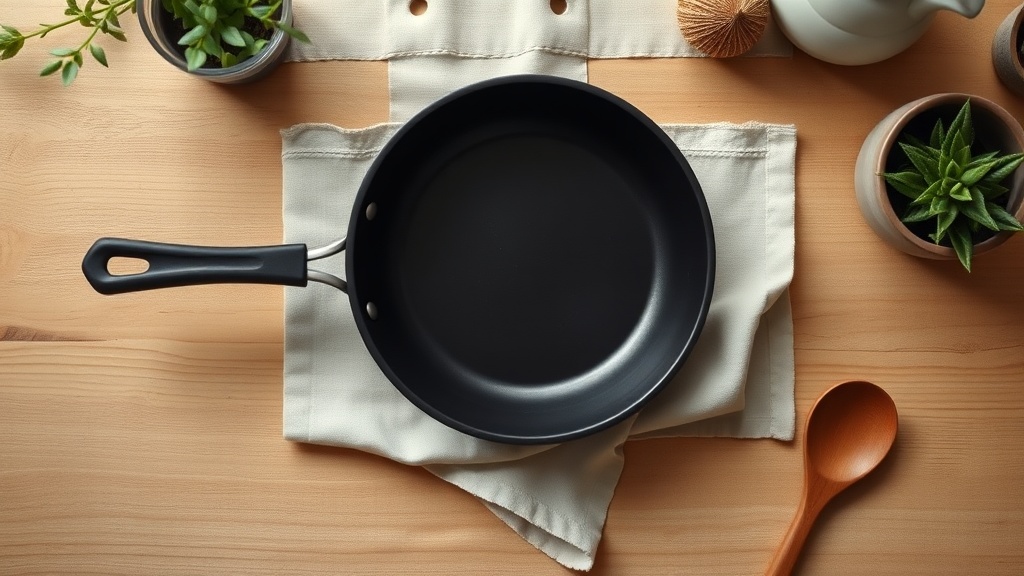
Can Teflon nonstick pans harm male fertility?
Yes. PTFE (Teflon) particles caused sperm quality decline in animal studies by damaging the blood-testis barrier and disrupting reproductive hormones.
What's actually in it
Polytetrafluoroethylene (PTFE), the coating on Teflon pans, sheds microplastic and nanoplastic particles when scratched, overheated, or worn down. These fluorinated plastic particles are uniquely persistent because PTFE is one of the most chemically stable plastics ever made. Once in your body, it stays there.
PTFE particles from cookware enter your body through food. From the gut, they can travel through the bloodstream to reproductive organs.
What the research says
A 2025 study in Adv Sci exposed male mice to PTFE particles and found serious damage to sperm quality. The particles disrupted the blood-testis barrier, a protective wall that normally shields developing sperm from toxins in the bloodstream.
Once the barrier was breached, PTFE particles caused oxidative stress in testicular tissue, reduced sperm count, and impaired sperm motility. The damage was dose-dependent: more PTFE exposure meant worse sperm quality.
The researchers also identified a potential therapeutic approach using antioxidants, which partially reversed the damage. But prevention is better than treatment. Replacing scratched or worn nonstick pans with cast iron, stainless steel, or ceramic cookware eliminates the source of PTFE particles entirely.
The research at a glance
| Study | Journal | Year |
|---|---|---|
| Therapeutic Repair of Sperm Quality Decline Caused by Polytetrafluoroethylene. | Adv Sci (Weinh) | 2025 |
What to use instead
Browse our vetted, non-toxic alternatives. Every product is third-party certified.
Shop Non-Toxic Kitchen