Can VOC-filtering air purifiers actually reduce childhood asthma symptoms?
safer
What's actually in it
Volatile organic compounds (VOCs) are chemicals that evaporate from household products at room temperature. Cleaning sprays, air fresheners, scented candles, new furniture, paint, and vinyl flooring all release VOCs into your indoor air. Common ones include formaldehyde, benzene, toluene, and terpenes.
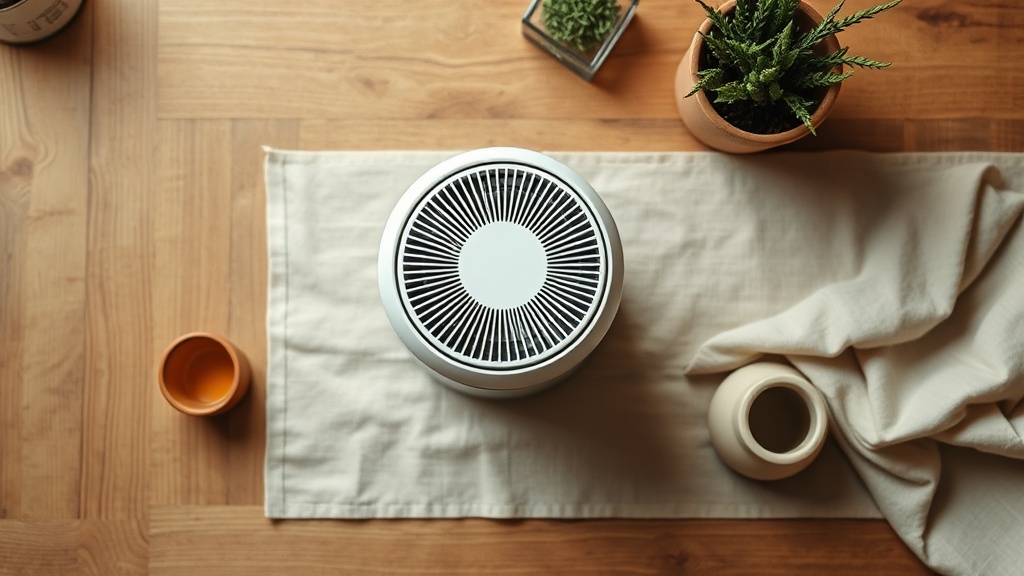
Standard HEPA air purifiers catch particles but don't remove VOCs. For that, you need a filter with activated carbon or a specialized chemical filter.
What the research says
A 2026 study in Indoor Air tested whether chemical air filters that remove VOCs could reduce asthma development in children. The results were encouraging.
Rooms equipped with VOC-removing chemical filters had lower levels of irritating compounds like formaldehyde and limonene (a terpene from cleaning products and air fresheners). Children spending time in these filtered rooms showed fewer respiratory symptoms and less airway inflammation compared to those in rooms with standard particle-only filters.
The study found that the combination of VOCs and biological particles (like mold spores and dust mite allergens) was especially harmful. VOCs appeared to prime the airways for an allergic reaction, making children more sensitive to biological triggers. Removing VOCs broke this cycle.
If your child has asthma or allergies, look for an air purifier that combines a HEPA filter (for particles) with an activated carbon filter (for VOCs). Also reduce VOC sources by choosing fragrance-free cleaning products and avoiding air fresheners and scented candles.
The research at a glance
| Study | Journal | Year |
|---|---|---|
| Removal of volatile organic compounds by chemical filters significantly inhibited the development of asthma in children | Indoor Air | 2026 |
What to use instead
Browse our vetted, non-toxic alternatives. Every product is third-party certified.
Shop Non-Toxic Home