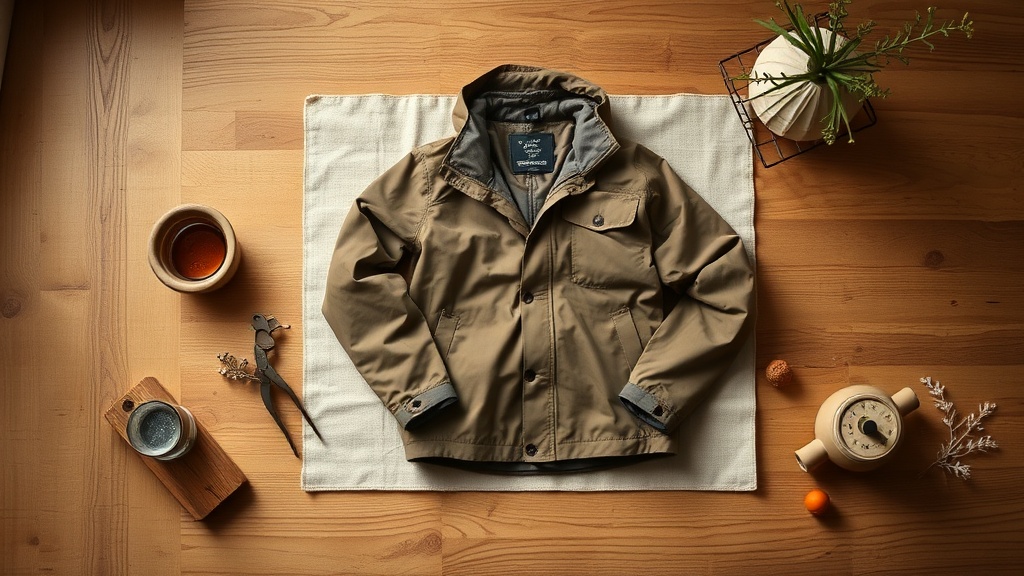
Can waterproof outdoor jackets raise PFAS levels in your blood?
Yes. People who regularly wear outdoor clothing treated with water-repellent coatings have higher PFAS blood levels than those who don't.
What's actually in it
Waterproof and water-repellent jackets, pants, and hiking gear are treated with fluorinated coatings made from PFAS chemicals. These coatings cause water to bead up and roll off the fabric instead of soaking in. The same chemistry is used in stain-resistant clothing, water-repellent shoes, and outdoor gear from most major brands.
PFAS don't stay locked in the fabric forever. They shed through normal wear, washing, and skin contact. Since outdoor jackets press against your neck, wrists, and torso, the chemicals have direct access to your skin for hours at a time.
What the research says
A 2026 study in Environ Sci Technol analyzed data from the Korean National Health and Nutrition Examination Survey and found that people who regularly wore outdoor clothing had higher serum PFAS concentrations than those who rarely wore it.
The more often someone wore waterproof outdoor gear, the higher their PFAS blood levels climbed. The association held up even after controlling for diet, drinking water, age, and other exposure sources. Clothing was an independent contributor to the total PFAS burden in people's bodies.
PFAS from clothing can enter your body through skin absorption and through inhaling fibers and dust shed by the fabric. Once in your blood, these chemicals stick around for years because your body can't break them down. Choosing PFAS-free outdoor gear, now offered by several brands, is the most direct way to cut this exposure.
The research at a glance
| Study | Journal | Year |
|---|---|---|
| Association between outdoor clothing use and serum perfluoroalkyl substances (PFAS): Korean National Health and Nutrition Examination Survey. | Environ Sci Technol | 2026 |
What to use instead
Browse our vetted, non-toxic alternatives. Every product is third-party certified.
Shop Non-Toxic Clothes