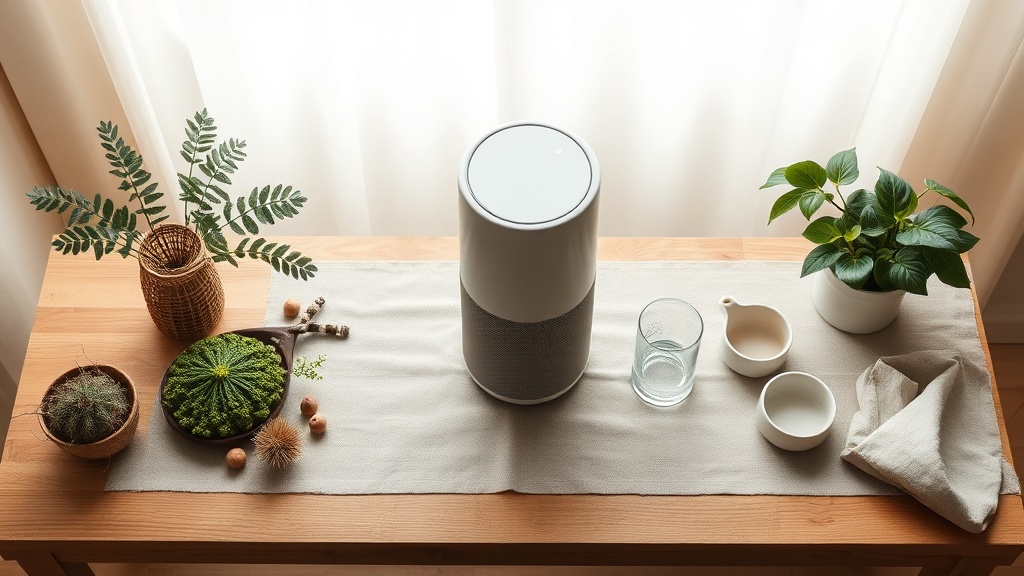
Do air purifiers help reduce microplastic pollution inside your home?
safer
What's actually in it
Your indoor air is full of tiny plastic fibers. They come from synthetic clothing, carpet, upholstery, curtains, and plastic packaging. Every time you fold laundry, vacuum, or even walk across a polyester carpet, microplastic particles get launched into the air. You breathe them in all day long, and so do your kids.
What the research says
A 2026 study in Environ Pollut tested how well air purifiers remove microplastics from indoor air in a real home, not a lab. The researchers measured airborne microplastic levels with and without air purifiers running, and tested different ventilation setups and weather conditions.
Air purifiers with HEPA filters did reduce the number of microplastic particles floating around indoors. But the improvement wasn't the same in every situation. When windows were open and outdoor air was flowing in, the purifier had to work harder to keep up. On windy days, more outdoor microplastics came inside and overwhelmed the filter's capacity.
The type of ventilation mattered too. Homes with mechanical ventilation systems spread microplastics differently than homes that relied on open windows. The air purifier worked best in rooms with doors closed and limited air exchange.
The bottom line: an air purifier helps, but it's not a complete fix. Reducing the sources of indoor microplastics, like choosing natural fiber clothing and avoiding synthetic carpets, works alongside the purifier to lower what you breathe in.
The research at a glance
What to use instead
Browse our vetted, non-toxic alternatives. Every product is third-party certified.
Shop Non-Toxic Home