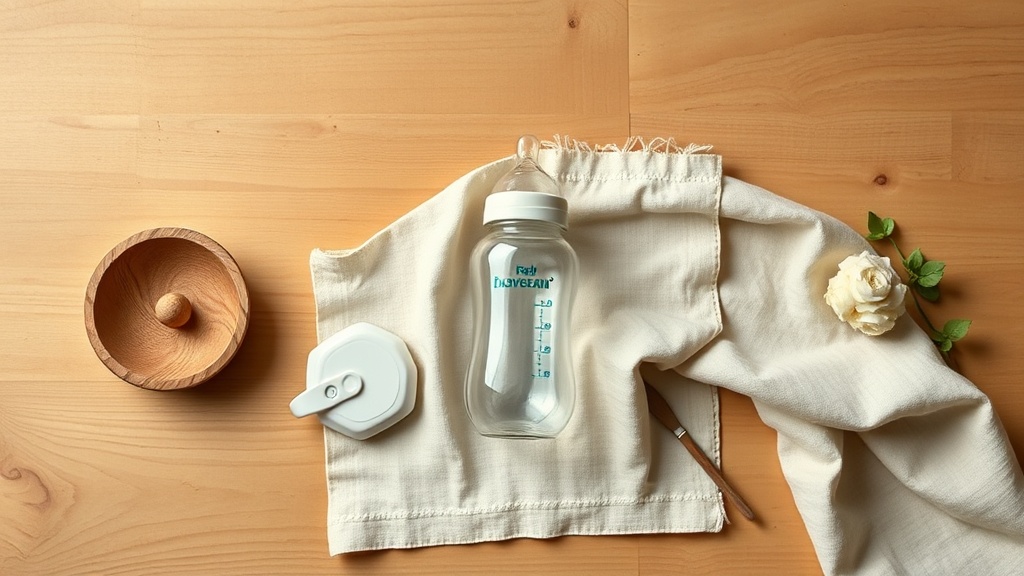
Do baby bottles leach bisphenol A into milk, even the 'BPA-free' ones?
Yes. A 2025 study found detectable BPA in most tested baby bottles and packaged milk, including some labeled BPA-free.
What's actually in it
Bisphenol A (BPA) is used in polycarbonate plastic, epoxy resin liners, and the inside coating of many metal cans. Even bottles labeled "BPA-free" can leach related compounds like BPS and BPF, which act on the same hormone pathways. The labels change, the chemistry doesn't.
BPA is an endocrine disruptor. In babies, even low doses have been linked to changes in brain development, immune function, and puberty timing. Babies get a concentrated dose because formula or breast milk is most of what they eat.
What the research says
A 2025 study in Food Chem X tested baby bottles and packaged milk using a method that picks up very low concentrations. BPA was found in most samples of packaged milk and in several baby bottles. For infants who drink formula prepared in these bottles every day, the estimated intake approached or exceeded the European Food Safety Authority's tolerable daily intake of 0.2 ng/kg body weight.
The BPA in packaged milk came from the packaging itself, not from the cow. The bottle adds a second dose when hot water or formula sits inside. Older scratched bottles leaked more than new ones. Sterilizing in a pot of boiling water made it worse.
Glass bottles and stainless steel bottles did not leach BPA. If you're using plastic, pour cooled formula into it; don't mix or heat inside the bottle.
The research at a glance
| Study | Journal | Year |
|---|---|---|
| Extraction, quantification and health risk assessment of bisphenol A from various kinds of packaged milk and baby bottles. | Food Chem X | 2025 |
What to use instead
Browse our vetted, non-toxic alternatives. Every product is third-party certified.
Shop Non-Toxic Baby