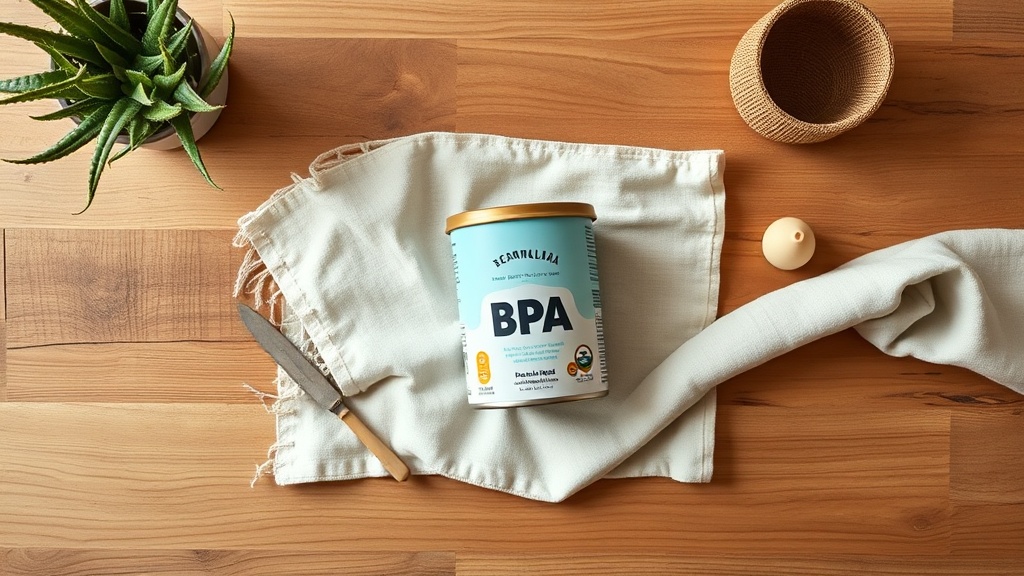
Do baby formula cans contain BPA or BPA alternatives?
caution
What's actually in it
Many food and formula cans use linings made of BPA (bisphenol A) or its chemical replacements, such as BPAF. These chemicals are used to coat the inside of metal cans to prevent corrosion and keep the food inside from touching the metal.
The problem is that these chemicals don't stay put. They can leak into the formula, especially when the can is heated or stored for long periods. These replacements are often marketed as safer, but science shows they act in similar ways to the original chemical they replaced.
What the research says
Recent research confirms that these chemicals are not harmless. A 2026 study in Adv Sci (Weinh) found that BPAF, a common structural substitute for BPA, binds to the progesterone receptor and elevates breast cancer risk.
Other studies show that these alternatives are not just inert substitutes. A 2026 study in Environ Sci Technol examined the mechanisms of BPA alternatives and found they affect how fat cells grow and function. a 2026 study in Toxicology used transcriptomic analysis to show how these alternative chemicals impact human cells, proving they have biological effects that cannot be ignored.
The risks extend beyond just one type of exposure. A 2026 study in J Expo Sci Environ Epidemiol used modeling to track children's exposure to BPA and its alternatives, highlighting that these substances are pervasive in products used by children. a 2026 study in J Ovarian Res identified a specific link between BPA and cell dysfunction, reinforcing that these chemicals interfere with natural body processes.
The research at a glance
What to use instead
Browse our vetted, non-toxic alternatives. Every product is third-party certified.
Shop Non-Toxic Baby