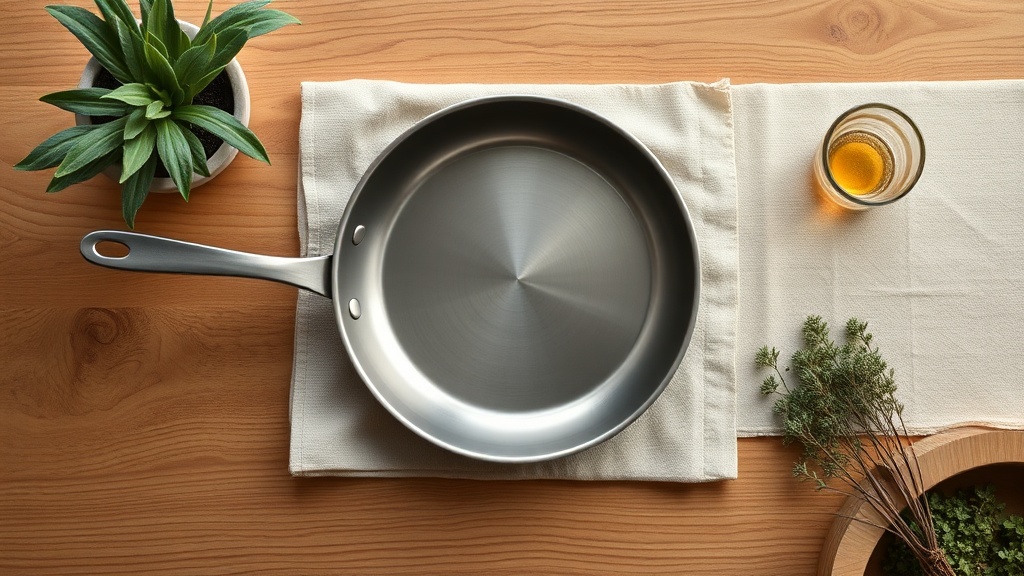
Do stainless steel vs. aluminum vs. nonstick pans leach different metals into food?
Yes. Aluminum and cheap alloys release the most nickel, chromium, and aluminum, especially with acidic foods.
What's actually in it
Every metal pot trades a tiny amount of metal for your food. The amount depends on the pan, the food, and the heat. Aluminum pans give off aluminum. Cheap stainless steel can release nickel and chromium. Cast iron adds iron (often a good thing, unless you have hemochromatosis). Tomato sauce, vinegar, citrus, and wine pull the most metal out because they're acidic.
Aluminum at high doses is linked to bone and brain problems. Nickel triggers rashes in sensitive people. Chromium-6 is carcinogenic.
What the research says
A 2025 study in Int J Environ Health Res tested common cooking utensils against acidic, salty, and neutral food simulants. Aluminum pots released the most aluminum, and amounts climbed fast with acidic food. Low-grade stainless steel released nickel and chromium, most heavily in its first few uses. Well-made 18/10 stainless steel, seasoned cast iron, and plain glass barely leached.
New pans leach more. Scratched pans leach more. Boiling for long periods on high heat makes it worse.
Picking a pot by metal: 18/10 stainless steel for general cooking, cast iron for searing and roasting, glass or enameled cast iron for tomato sauces and long acidic braises.
The research at a glance
| Study | Journal | Year |
|---|---|---|
| Heavy metal transitions from cooking utensils to different solutions. | Int J Environ Health Res | 2025 |
What to use instead
Browse our vetted, non-toxic alternatives. Every product is third-party certified.
Shop Non-Toxic Kitchen