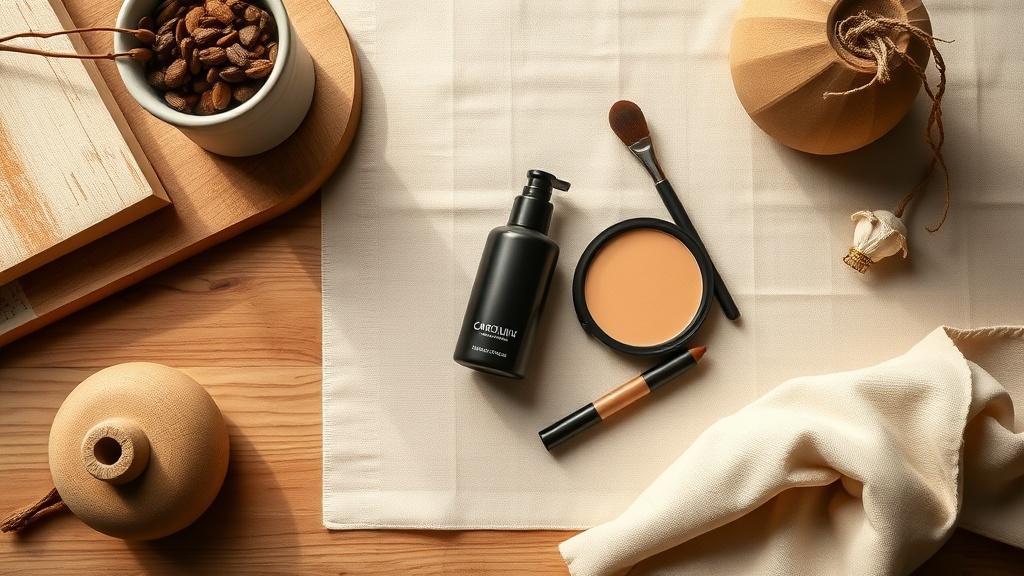
Do everyday cosmetics and makeup products contain hidden PFAS?
avoid
What's actually in it
PFAS (per- and polyfluoroalkyl substances) help cosmetics glide on smoothly, last longer, and resist water. They show up in foundations, concealers, mascaras, lip products, and sunscreens. Most of the time, they aren't listed on the label by name. Instead, they hide behind terms like "fluoro" ingredients or aren't listed at all.
Your skin absorbs what you put on it. Lips are even more absorbent, and you end up swallowing some of any product applied there. That makes lip gloss, lipstick, and lip balm especially direct routes for PFAS into your body.
What the research says
A 2026 study in Environ Health used both traditional lab methods and machine learning to scan cosmetics for PFAS. This approach caught chemicals that standard tests would miss.
The results showed widespread PFAS contamination. Known PFAS like PFOA and PFOS appeared in multiple product types. But the machine learning also flagged dozens of previously unidentified PFAS compounds. These "unknown" forever chemicals aren't covered by any regulations because nobody was testing for them.
The study calculated health risk scores for the products tested. Several scored high enough to raise real concern, especially products used daily like foundation and sunscreen.
Labels won't always help you here. The safest approach is to pick brands that specifically test for and certify their products as PFAS-free. Mineral-based makeup and products with short, simple ingredient lists tend to be cleaner choices.
The research at a glance
| Study | Journal | Year |
|---|---|---|
| Integrating target, nontarget analysis with machine learning to illuminate PFAS characteristics and health risks in Chinese cosmetics. | Environ Health (Wash) | 2026 |
What to use instead
Browse our vetted, non-toxic alternatives. Every product is third-party certified.
Shop Non-Toxic Home