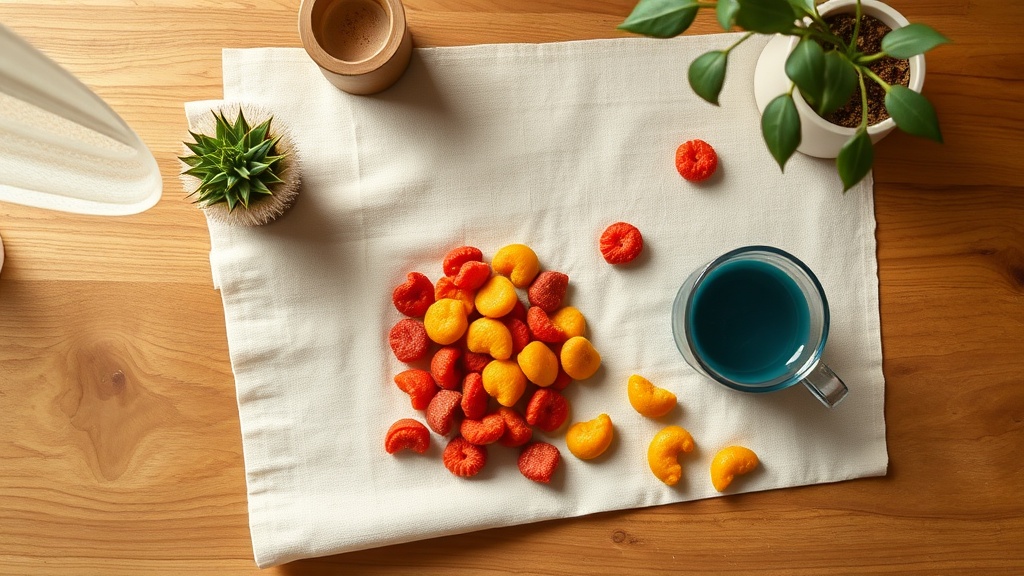
Do food dyes in kids' snacks cause hyperactivity or behavioral problems?
Possibly. A 2026 review found that synthetic food dyes trigger inflammation and oxidative stress at the cellular level, which may explain behavioral effects in sensitive children.
What's in those bright-colored snacks
Synthetic food dyes like Red 40, Yellow 5, Yellow 6, and Blue 1 are petroleum-based chemicals added to candy, cereal, sports drinks, gummies, and dozens of other snacks marketed to kids. They add zero nutrition. Their only job is to make food look more appealing.
Children eat more of these dyes per pound of body weight than adults. A child who snacks on colored cereal, fruit-flavored drinks, and gummy vitamins can easily consume multiple dyes in a single day.
What the research says
A 2026 review in Cardiol Rev examined how synthetic food dyes affect the body. The researchers found that food dyes trigger inflammation and oxidative stress, two processes that can affect brain function and behavior in children, not just heart health. The same inflammatory pathways linked to cardiovascular damage are also connected to neurological effects.
This builds on earlier evidence from the FDA and European food safety authorities suggesting certain dyes may worsen hyperactivity in sensitive children. The difference now is that researchers are beginning to understand the biological mechanism: these dyes appear to cause real, measurable stress at the cellular level.
The review also highlights that children's higher relative exposure makes them more vulnerable to these effects than adults eating the same foods.
How to reduce your family's exposure
Check ingredient labels for Red 40, Yellow 5, Yellow 6, Blue 1, and Blue 2. Choose snacks colored with fruit and vegetable extracts instead. Many store brands now offer dye-free versions of popular kids' products like mac and cheese, yogurt, and cereal.
The research at a glance
| Study | Journal | Year |
|---|---|---|
| Processed Foods and Food Dyes: What Are We Eating and What Is the Cardiovascular Risk? | Cardiol Rev | 2026 |
What to use instead
Browse our vetted, non-toxic alternatives. Every product is third-party certified.
Shop Non-Toxic Kitchen