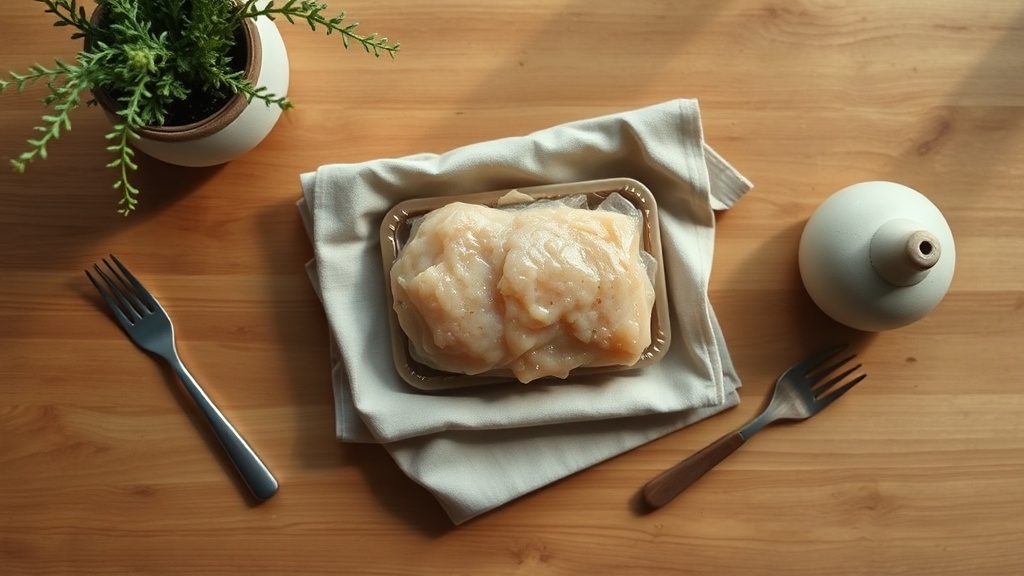
Do frozen seafood packages contaminate your food with microplastics?
Yes. Packaged frozen seafood contained microplastics from the packaging itself, adding to whatever the fish already absorbed from the ocean.
What's actually in it
Frozen seafood sits in plastic packaging for weeks or months in your freezer. The packaging is usually made from polyethylene or polypropylene, which can shed microplastic fragments. The seafood itself may already contain microplastics from ocean pollution. Packaging adds another layer.
When you defrost frozen seafood, the melting ice and moisture can carry loosened plastic particles from the packaging directly onto the food.
What the research says
A 2026 study in Food Chem tested packaged frozen seafood for microplastic contamination. They measured both the particles already in the fish and the ones contributed by the packaging.
Every sample contained microplastics. The packaging contributed additional particles beyond what the seafood carried from the ocean. The total count was higher than what you'd find in the same seafood bought fresh.
The most common particle types matched the packaging materials, confirming the plastic wrap and trays were shedding into the food during storage.
If you buy frozen seafood, transferring it to glass containers for defrosting and storage can reduce the additional microplastic exposure from packaging.
The research at a glance
| Study | Journal | Year |
|---|---|---|
| Assessment of potential health risk from microplastic contamination in packaged frozen seafood. | Food Chem | 2026 |
What to use instead
Browse our vetted, non-toxic alternatives. Every product is third-party certified.
Shop Non-Toxic Kitchen