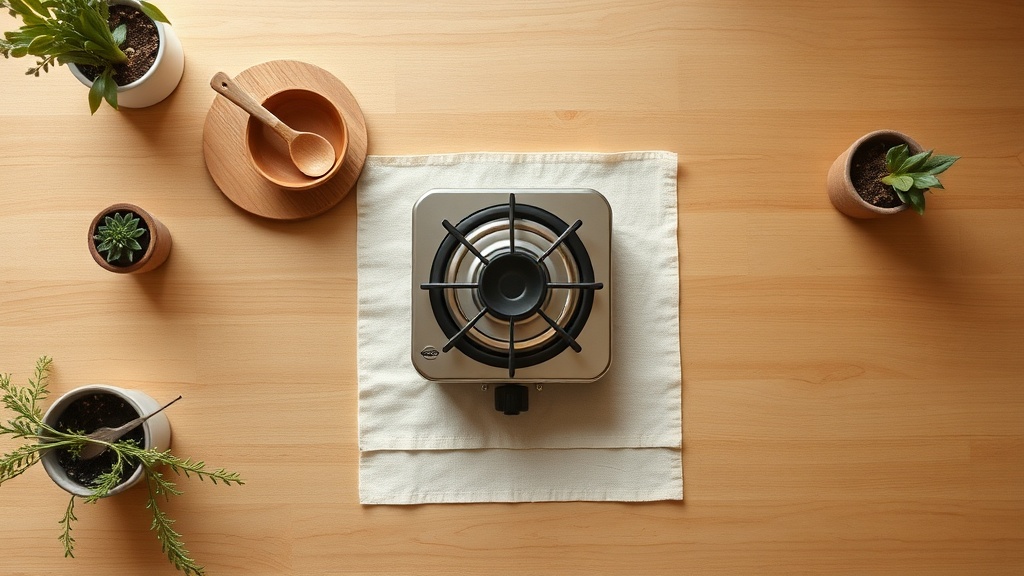
Do gas stoves release harmful particles and chemicals into your kitchen air?
caution
What's actually in it
A gas stove burns natural gas or propane, which produces combustion byproducts in addition to heat. These include nitrogen dioxide (NO2), carbon monoxide (CO), volatile organic compounds (VOCs) like formaldehyde and benzene, and ultrafine particles (smaller than 100 nanometers). Even when a gas burner is off, some stoves leak small amounts of methane and other gases.
Most kitchens don't have strong enough ventilation to clear these pollutants quickly, so they build up in the air you breathe while cooking.
What the research says
A 2026 study in Environ Sci Technol measured VOCs, nitrogen oxides (NOx), and ultrafine particles (UFPs) emitted during gas stove operation under real-world cooking conditions.
Within 15 minutes of turning on a gas burner, indoor NO2 levels exceeded EPA outdoor air quality standards. Ultrafine particle counts spiked to levels comparable to standing next to a busy highway. Formaldehyde and benzene (both known carcinogens) were also detected in the cooking plume.
Range hoods helped but didn't eliminate the problem. Hoods that vent outdoors captured 50 to 80% of pollutants depending on the model and fan speed. Recirculating hoods (the kind without outdoor venting) removed almost nothing.
If you cook with gas, always use your range hood on the highest setting and open a window. Consider an induction cooktop for your next kitchen upgrade, since induction produces zero combustion byproducts. Even a portable induction burner for everyday cooking can reduce your exposure.
The research at a glance
| Study | Journal | Year |
|---|---|---|
| Quantification of Volatile Organic Compounds (VOCs), Nitrogen Oxides (NOx), and Ultrafine Particles from Gas Stove Operation | Environ Sci Technol | 2026 |
What to use instead
Browse our vetted, non-toxic alternatives. Every product is third-party certified.
Shop Non-Toxic Kitchen