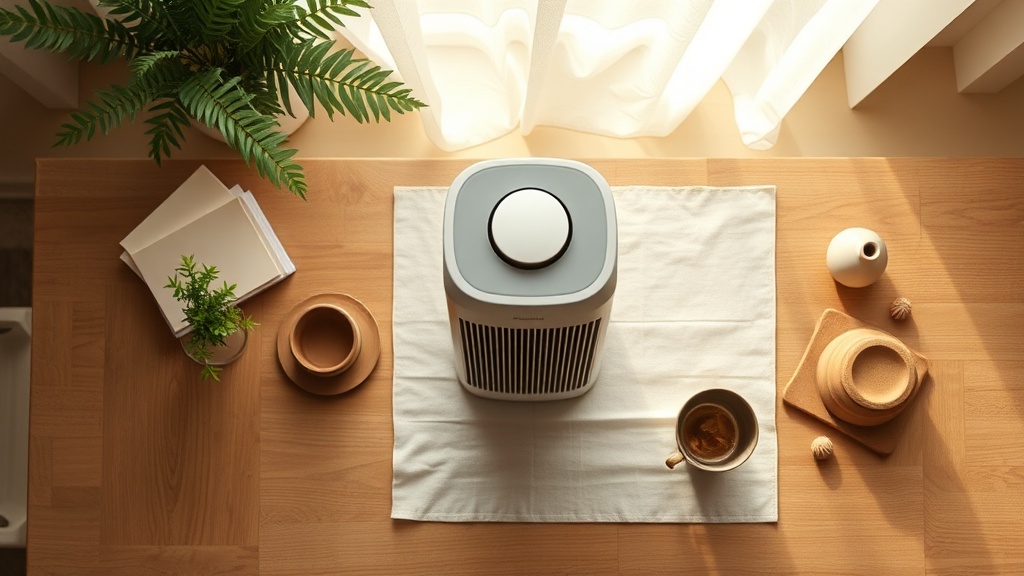
Do HEPA air purifiers actually lower blood pressure from indoor air pollution?
Yes. A 2025 randomized trial found HEPA air purifiers measurably lowered blood pressure in people exposed to indoor air pollution.
What's actually in it
Indoor air carries fine particulate matter (PM2.5) from cooking, candles, traffic coming in through windows, and dust. PM2.5 is small enough to slip past your nose and into your bloodstream, where it tightens blood vessels and pushes up blood pressure. A HEPA filter pulls 99.97% of particles out of the air, including PM2.5.
Most "air purifier" claims are marketing. What matters is whether the thing actually changes something measurable in your body. A randomized crossover trial is the cleanest way to test that, because each person acts as their own control.
What the research says
A 2025 trial in J Am Coll Cardiol had participants use real HEPA air purifiers for a period, then switch to sham purifiers (fans with no filter). During the real HEPA phase, blood pressure dropped measurably. Indoor PM2.5 also fell, as expected.
The drop was small per person but real across the group. Small blood pressure changes matter at the population level: each few points lower cuts stroke and heart attack risk. People with existing hypertension and those in homes with higher baseline pollution saw the biggest benefit.
This is one of the few "wellness" gadgets with solid trial evidence. Avoid purifiers that generate ozone or ionizers: those add pollution instead of removing it. A plain HEPA unit sized for the room, run continuously, is the setup that worked.
The research at a glance
| Study | Journal | Year |
|---|---|---|
| Effect of HEPA Filtration Air Purifiers on Blood Pressure: A Pragmatic Randomized Crossover Trial. | J Am Coll Cardiol | 2025 |
What to use instead
Browse our vetted, non-toxic alternatives. Every product is third-party certified.
Shop Non-Toxic Home