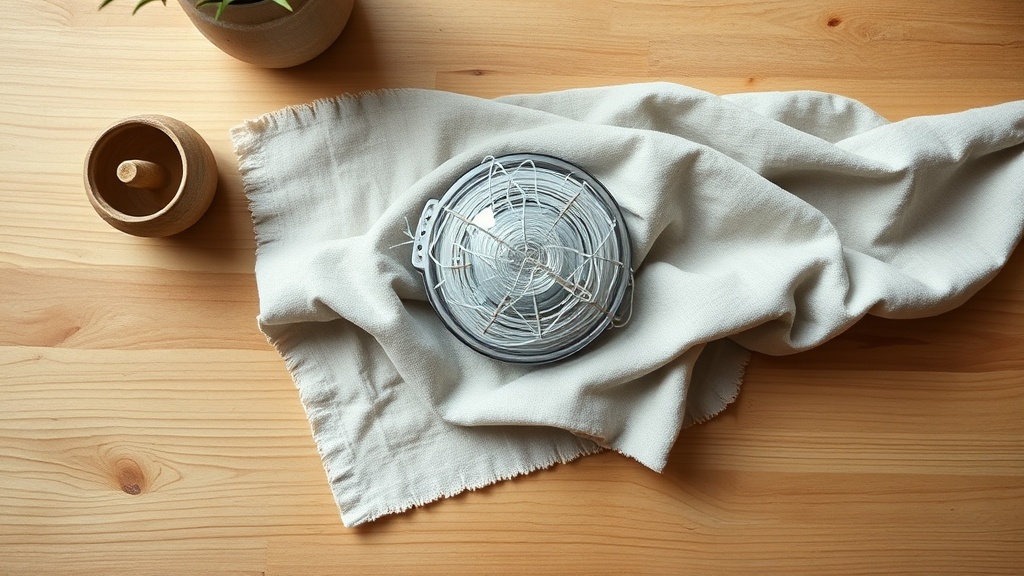
Are microplastic fibers from laundry entering waterways and food?
Laundry is a real microfiber source for wastewater and aquatic environments. Food-chain links are plausible and studied, but one wash load cannot be traced directly to one meal.
What's actually in it
Synthetic clothes are made from plastic fibers such as polyester, nylon, and acrylic. Washing these fabrics can release microfibers into laundry water. Some are caught by wastewater systems, and some can move into rivers, lakes, and oceans.
The honest answer is this: researchers can show that laundry releases fibers and that microplastics are found in food webs. They cannot trace a single load of laundry straight to one bite of food.
What the research says
A 2020 household laundry study measured microfiber emissions from a real home and estimated an average release of 18 million synthetic microfibers for a 6 kg synthetic-fiber wash load.
A 2022 Science of the Total Environment review identified laundry wastewater as a major microfiber source in aquatic environments. The review also noted that centralized wastewater treatment can remove many fibers, but removal depends on sanitation and treatment systems.
A 2026 Environmental Pollution study found microplastics in the food web of Wuliangsuhai Lake, China, and estimated higher daily microplastic intake for children than adults through contaminated aquatic foods.
What to do at home
Wash full loads. Use gentle cycles. Clean lint filters. Replace worn synthetic fleece when it starts shedding heavily. For baby clothes, blankets, and soft items, choose organic cotton, wool, or bamboo when you can.
The research at a glance
| Study | Journal | Year |
|---|---|---|
| Microplastics in wastewater: microfiber emissions from common household laundry. | Environ Sci Pollut Res Int | 2020 |
| Microfibers in laundry wastewater: Problem and solution. | Sci Total Environ | 2022 |
| Bioaccumulation, trophic transfer, and health risk assessment of microplastics in the food web of Wuliangsuhai Lake, China: Higher risk for children. | Environ Pollut | 2026 |
What to use instead
For baby clothes and soft items, organic cotton reduces the synthetic fibers going into laundry water.
Shop Non-Toxic Baby