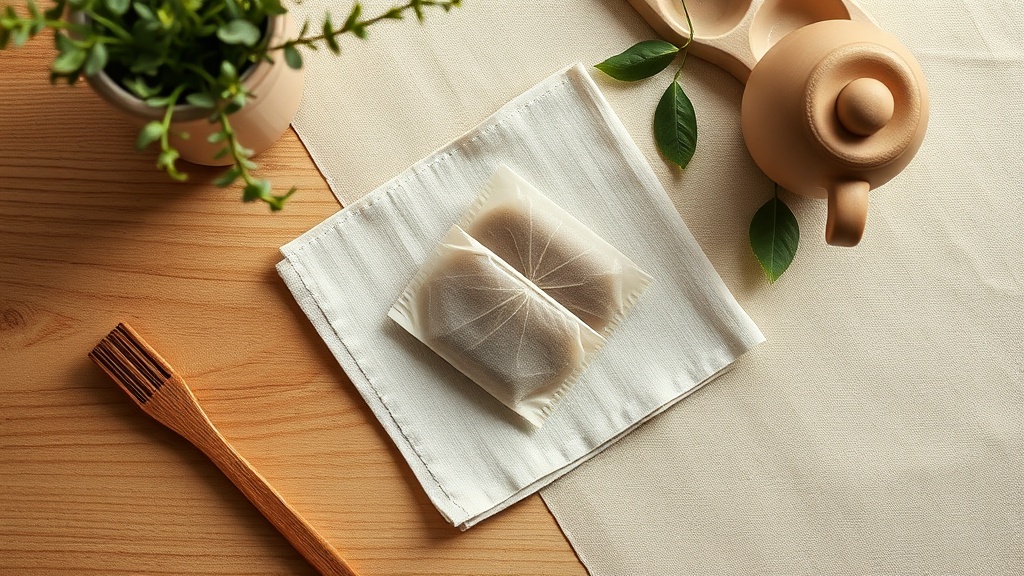
Do nylon tea bags release microplastics into your tea?
caution
What's actually in it
Many "premium" tea bags are made from nylon or PET mesh instead of paper. These are the clear, pyramid-shaped bags you see in higher-end brands. Nylon is a type of plastic, and when you pour boiling water over it, the heat and agitation start breaking down the material at a microscopic level.
What the research says
A 2026 study in Environ Sci Process Impacts used advanced optical imaging to watch what happens to nylon tea bags in real time during brewing. The results were eye-opening: the bags released microplastic fibers into the tea within minutes of contact with hot water.
The hotter the water, the more fibers broke loose. A single steep at boiling temperature released a measurable number of plastic particles into the cup. The researchers could see fibers detaching from the bag's surface as the hot water broke down the nylon structure.
These particles are small enough to swallow without noticing. Once in your gut, microplastics can trigger inflammation and interact with your gut bacteria. Some are small enough to cross into your bloodstream.
Paper tea bags aren't perfect either, but nylon bags released more plastic particles. If you brew multiple cups a day, the exposure adds up fast. Loose-leaf tea in a stainless steel or ceramic strainer avoids the problem entirely.
The research at a glance
| Study | Journal | Year |
|---|---|---|
| Brewing plastics: OCT reveals microplastic release from nylon tea bags in simulated brewed tea infusions. | Environ Sci Process Impacts | 2026 |
What to use instead
Browse our vetted, non-toxic alternatives. Every product is third-party certified.
Shop Non-Toxic Kitchen