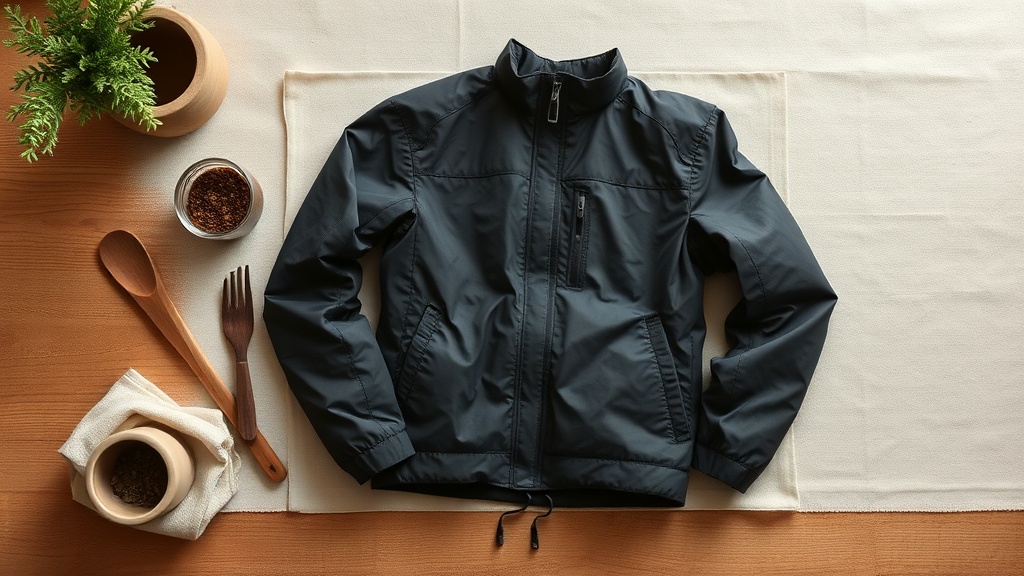
Do outdoor adventure jackets contain dangerous PFAS levels?
Outdoor jackets often use PFAS for water resistance, which is concerning because these chemicals build up in the body and are linked to significant health risks.
What's actually in it
Many outdoor jackets rely on PFAS (per- and polyfluoroalkyl substances) to provide water and stain resistance. These are synthetic chemicals designed to repel water, but they don't stay on your jacket. They can shed into the environment or rub off onto your skin.
Once these chemicals enter your body, they are incredibly difficult to get rid of. They accumulate in your blood and tissues, leading to long-term exposure. You aren't just wearing these chemicals; you are potentially breathing them in or absorbing them through contact.
What the research says
The science is clear: PFAS exposure is linked to serious health problems. A 2026 study in Env Sci Adv found that increasing concentrations of these chemicals in human blood correlate with higher blood lipid levels. This suggests that even at common exposure levels, your body chemistry is being altered.
The impact starts early. According to a 2026 study in Clin Nutr, these substances are associated with changes in eating behavior and hormone levels in children during their first 2 years of life. Furthermore, peer-reviewed research indicates that these chemicals can affect your immune system. A 2026 study in Environ Res looked at vaccinated adults and found associations between serum PFAS levels and changes in COVID-19 antibody response.
The risks are not limited to one generation. A 2026 study in Environ Res demonstrated that trace levels of PFAS can damage mitochondria function in mouse embryos across 3 generations. When you choose gear treated with these chemicals, you are contributing to a cycle of exposure that persists in the environment and in human bodies.
The research at a glance
What to use instead
Browse our vetted, non-toxic alternatives. Every product is third-party certified.
Shop Non-Toxic Clothes