Do paper receipts, straws, and food wrappers contain hormone-disrupting bisphenols?
caution
What's actually in it
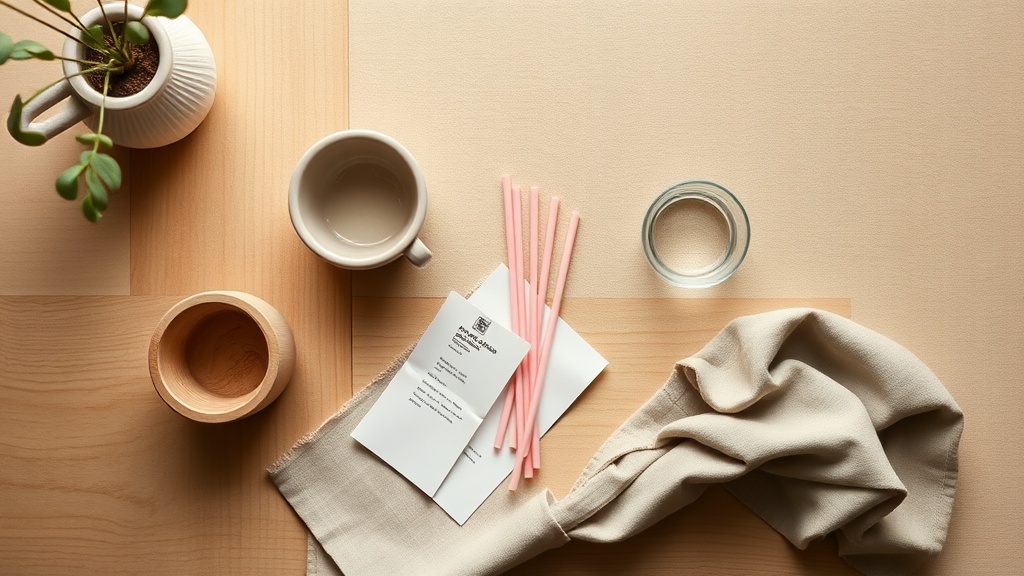
Thermal paper receipts use bisphenol A (BPA) or bisphenol S (BPS) as color developers. That's what makes the ink appear when heat hits the paper. But bisphenols also show up in paper you wouldn't expect: paper straws, paper cups, food wrappers, and paper bags. These chemicals can transfer to your hands or leach into food and drinks that touch the paper.
What the research says
A 2026 study in Front Public Health tested dozens of paper products sold in Korea for bisphenol contamination. The results were clear: BPA, BPS, and BPF turned up across the board.
Thermal receipts had the highest concentrations by far. But paper straws, paper cups, and food wrappers also contained measurable levels of bisphenol chemicals. The researchers calculated daily exposure estimates and found that people who handle receipts regularly, like cashiers and retail workers, face the highest risk. But even normal household use of paper cups and food wrappers adds up.
The concern is that bisphenols mimic estrogen in your body. They bind to hormone receptors and can mess with your reproductive system, thyroid, and metabolism. BPS and BPF were introduced as "safer" replacements for BPA, but this study found them at levels that still raise health concerns.
Switching from plastic straws to paper straws might cut down on ocean waste, but it doesn't eliminate chemical exposure. The bisphenols in paper products transfer to whatever they touch, including your coffee, your food, and your skin.
The research at a glance
| Study | Journal | Year |
|---|---|---|
| Occurrence and human exposure assessment of bisphenol analogues in various paper products from Korea. | Front Public Health | 2026 |
What to use instead
Browse our vetted, non-toxic alternatives. Every product is third-party certified.
Shop Non-Toxic Kitchen