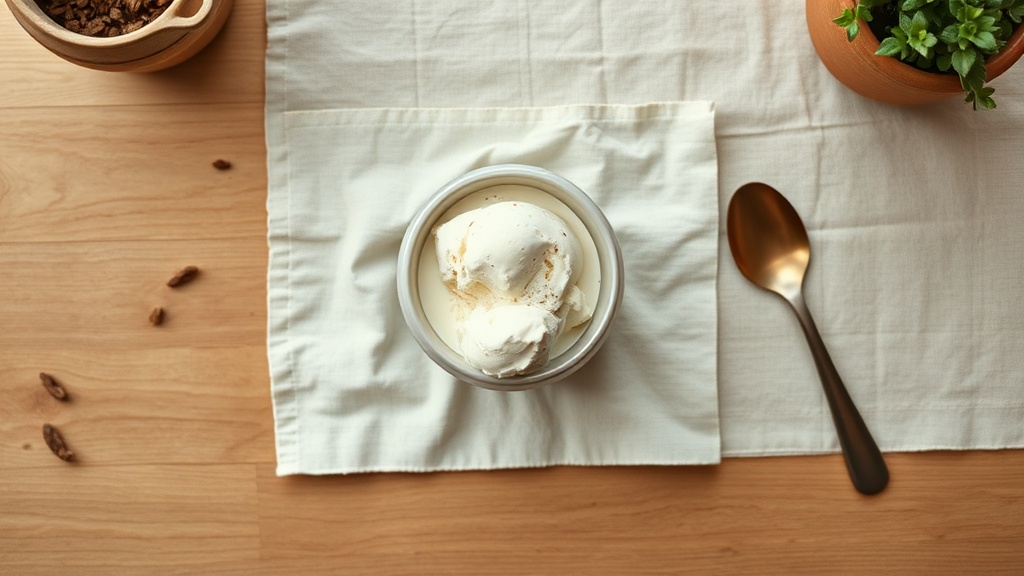
Is it a good idea to reuse plastic ice cream tubs for freezer or leftover storage?
caution
Short answer
Use caution. A plastic ice cream tub is packaging, not a long-term food-storage container.
One short reuse is not the main issue. The bigger issue is turning old, scratched plastic into your normal container for soup, sauce, berries, or leftovers.
Why this matters
Plastic wears down. Freezing, washing, scratching, staining, and repeated reuse make the material less predictable over time.
Food storage also adds time. The longer food sits against plastic, the more the container material matters.
What the research says
A 2025 Food Chemistry study found microplastics released from plastic food containers during rinsing and migration testing. The study found high-fat foods, low temperature, high temperature, and longer exposure periods promoted microplastic release.
A 2026 Environment International study found plasticizers migrated from packaging into fish during refrigerated and frozen storage. Migration was affected by storage time, temperature, food composition, and packaging material.
A 2026 Food Safety paper showed why long-term migration testing matters for plastic utensils, containers, and packaging.
What to do instead
Do not heat old plastic tubs. Do not use scratched, cloudy, brittle, or stained tubs for food.
For regular leftovers and freezer storage, use glass storage when you can.
The research at a glance
What to use instead
Glass storage jars are a better everyday choice for leftovers and freezer storage than reused plastic tubs.
Shop Non-Toxic Kitchen