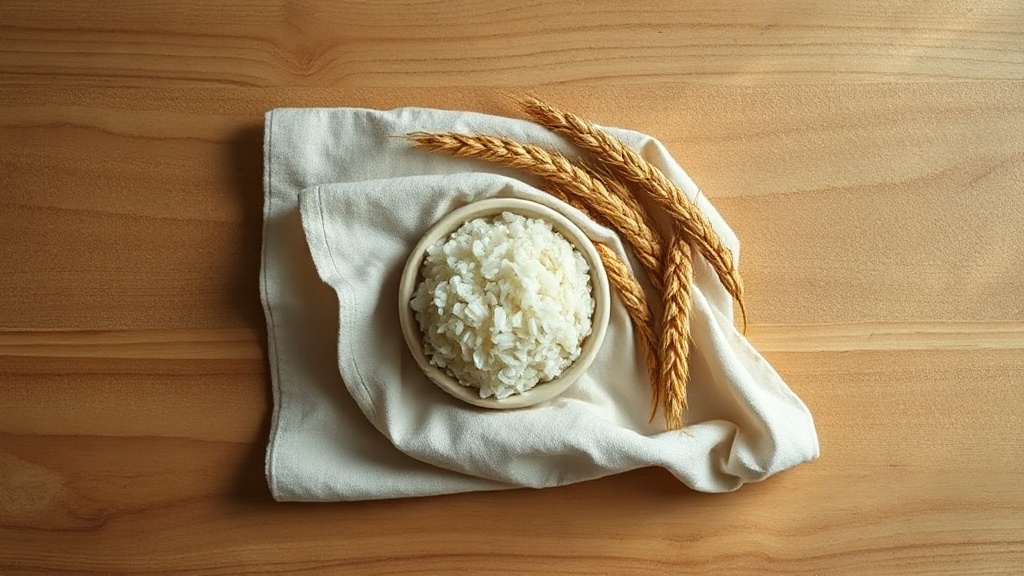
Do rice and wheat contain dangerous levels of lead and cadmium?
Measurable amounts exist. Daily rice consumption is the main dietary source of cadmium in many populations.
What's actually in it
Rice plants are efficient accumulators of cadmium, a heavy metal that damages kidneys and disrupts bone density. They pull it from soil through the same mechanisms they use for zinc. Lead accumulates in wheat through soil contamination, particularly near industrial areas or older agricultural land with legacy pesticide use.
Neither metal has a known safe level of exposure. Both are cumulative: they build up in the body over time.
What the research says
A 2026 study in Ecotoxicol Environ Saf assessed dietary cadmium and lead exposure through rice and wheat consumption in a population study. Researchers found that daily consumption led to cadmium and lead intake that contributed meaningfully to total heavy metal body burden. The risk was highest for people eating rice as a staple at multiple meals per day.
White rice has more cadmium than brown rice because the milling process concentrates it. Varying grains, choosing rice from lower-contamination growing regions (California rice has lower cadmium than some imported varieties), and not eating rice at every meal all reduce exposure.
Store all grains in glass food storage rather than plastic to avoid adding plastic chemical exposure on top of the metals already present.
The research at a glance
| Study | Journal | Year |
|---|---|---|
| Risk assessment of dietary exposure to cadmium and lead through wheat and rice consumption | Ecotoxicol Environ Saf | 2026 |
What to use instead
Browse our curated non-toxic alternatives. Every product is third-party certified.
Shop Non-Toxic Kitchen