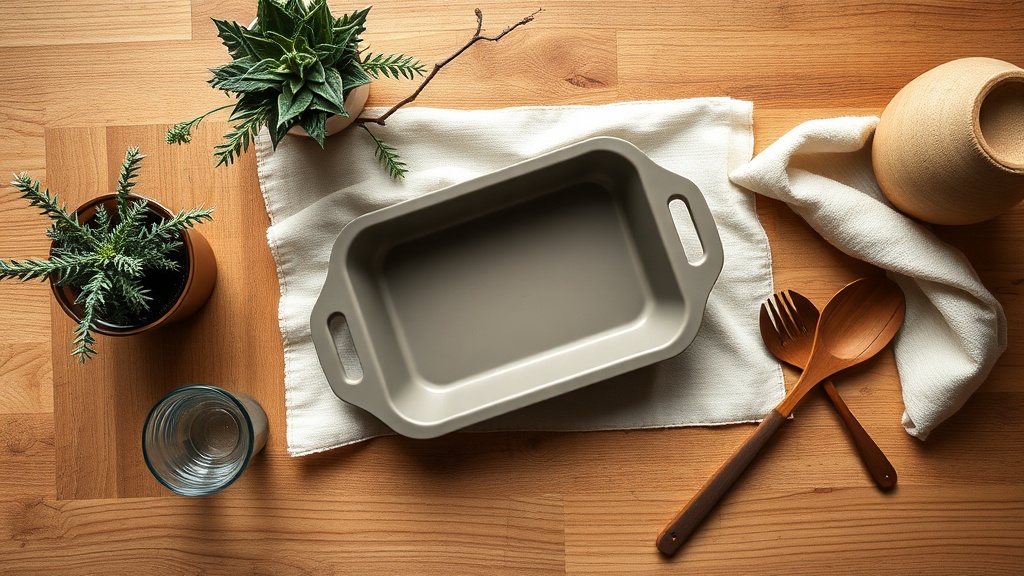
Do silicone baking molds release cyclic siloxanes into food when heated?
Yes. Silicone bakeware releases cyclic siloxanes (D4, D5, D6) into food during oven use, with higher amounts at higher temperatures.
What's actually in it
Silicone baking molds are made from polydimethylsiloxane (PDMS), a type of synthetic rubber. During manufacturing, small molecules called cyclic siloxanes (D4, D5, and D6) get trapped inside the silicone. When you heat the mold in the oven, these molecules escape into the air and into your food. They're not added on purpose, but they're there as leftover byproducts.
What the research says
A 2026 study in Chemosphere tested silicone baking molds to see how much cyclic siloxane migrated into food during baking. The researchers found measurable levels of D4, D5, and D6 in the food after oven use. Higher baking temperatures released more.
D4 is the most concerning of the three. The European Chemicals Agency has classified it as a suspected endocrine disruptor and a substance that may damage fertility. D5 and D6 are also under scrutiny for similar reasons, though the evidence is weaker.
The good news is that the amounts were generally low. The bad news is that repeated use adds up. If you bake with silicone molds every week, you're getting a steady low-level dose of these chemicals. Using them at lower temperatures helps, and some molds release less than others depending on quality. Metal or glass bakeware avoids the issue entirely.
The research at a glance
| Study | Journal | Year |
|---|---|---|
| Cyclic siloxane migration from silicone baking molds into food | Chemosphere | 2026 |
What to use instead
Browse our vetted, non-toxic alternatives. Every product is third-party certified.
Shop Non-Toxic Kitchen