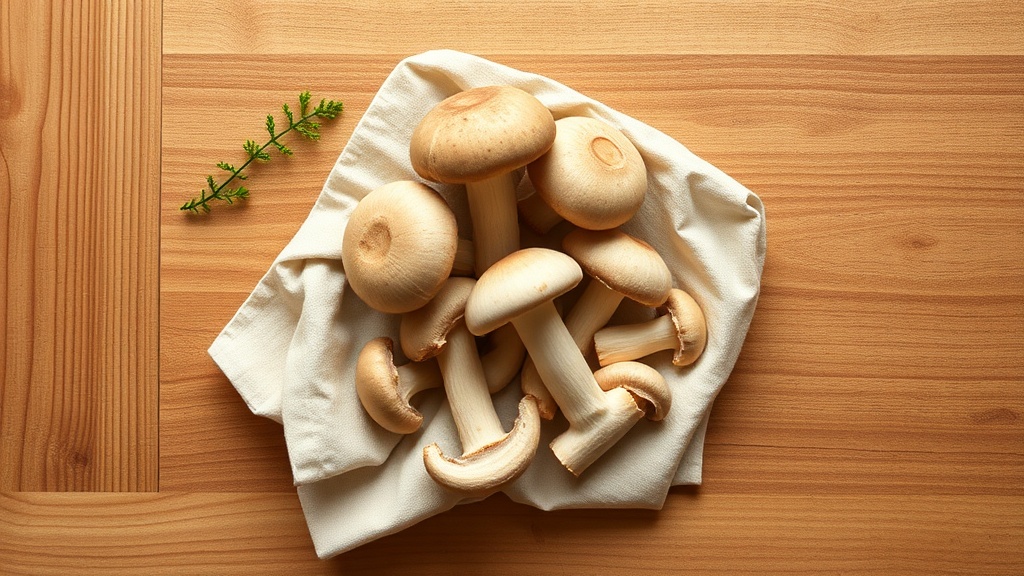
Do store-bought mushrooms carry pesticide residues?
Yes. Testing found multiple pesticide residues in commercially grown mushrooms, including some that exceeded safe limits.
What's actually in it
Commercial mushrooms are grown in controlled environments, but they're not pesticide-free. Growers use fungicides, insecticides, and miticides to protect crops from mold, flies, and mites. Some of these chemicals are also applied after harvest to extend shelf life.
Mushrooms are like sponges. Their porous surface absorbs chemicals from the growing substrate and surrounding air. Because they're often eaten whole, including the skin, any residues go straight onto your plate.
What the research says
A 2026 review in J Agric Food Chem analyzed pesticide residue data from edible mushrooms and found multiple pesticide types present in commercial samples. Some samples contained residues from pesticides that aren't even approved for use on mushrooms, suggesting contamination from the growing environment.
Several samples had residues that exceeded maximum residue limits (MRLs) set by food safety regulators. The review noted that current monitoring programs don't test mushrooms as thoroughly as other produce like apples or lettuce, so contaminated batches are more likely to slip through.
Washing helps remove surface residues, but it can't eliminate chemicals that have been absorbed into the mushroom tissue. Buying organic mushrooms or growing your own at home are the most reliable ways to avoid pesticide exposure from this food.
The research at a glance
| Study | Journal | Year |
|---|---|---|
| Pesticide Residues in Edible Mushrooms: A Health Hazard? | J Agric Food Chem | 2026 |
What to use instead
Browse our vetted, non-toxic alternatives. Every product is third-party certified.
Shop Non-Toxic Kitchen