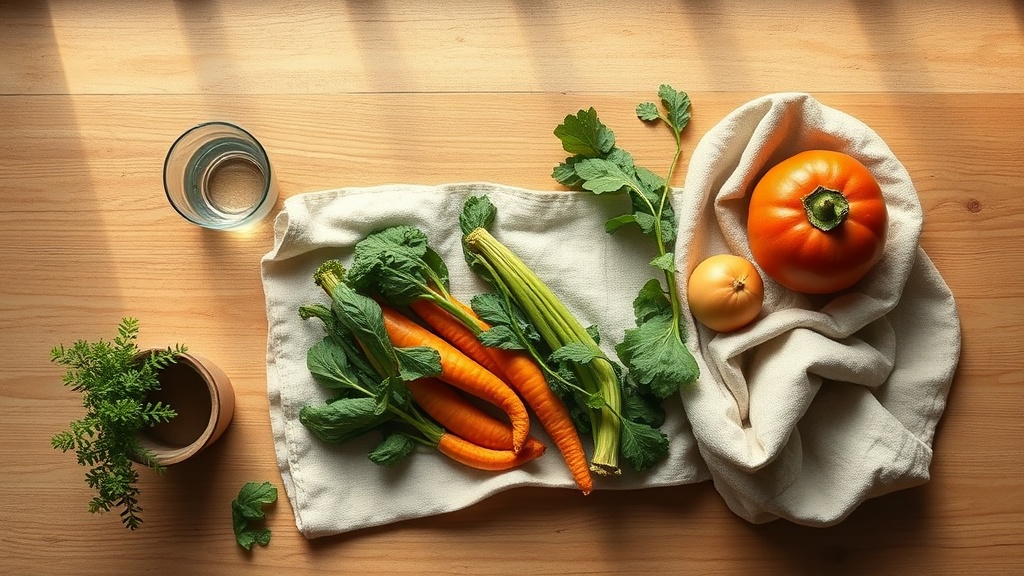
Do vegetables from the grocery store contain microplastics absorbed from the soil?
caution
What's actually in it
Microplastics end up in farm soil through plastic mulch films, irrigation with recycled water, and fertilizers made from sewage sludge. These tiny plastic particles, smaller than 5 millimeters, break down further into nanoplastics that are small enough to enter plant roots.
Once inside, the particles travel through the plant's vascular system and can end up in the leaves, stems, and fruits you eat. Washing and peeling can remove surface contamination but won't clear plastics that were absorbed internally.
What the research says
A 2026 review in J Agric Food Chem pulled together the growing evidence on vegetable-borne microplastics. Multiple studies have now confirmed that plants take up plastic particles from soil, and the amount depends on the type of vegetable, soil conditions, and plastic size.
Root vegetables like carrots and potatoes had some of the highest concentrations, since their edible parts grow directly in contaminated soil. Leafy greens like lettuce and spinach also showed high uptake because they move a lot of water through their tissues, carrying particles along with it.
The review noted that nanoplastics (under 1 micrometer) were absorbed far more easily than larger microplastics. These smaller particles are harder to detect and may pose greater health risks because they can cross cell membranes in the human gut.
Buying organic doesn't guarantee plastic-free produce, since organic farms also use plastic mulch and receive microplastic-contaminated rainfall. But choosing produce from farms that avoid plastic mulch and sewage-based fertilizers can lower your exposure.
The research at a glance
| Study | Journal | Year |
|---|---|---|
| Vegetable-Borne Microplastics: Evidence, Uncertainties, and a Research Agenda for Food-Chain Risk Assessment | J Agric Food Chem | 2026 |
What to use instead
Browse our vetted, non-toxic alternatives. Every product is third-party certified.
Shop Non-Toxic Kitchen