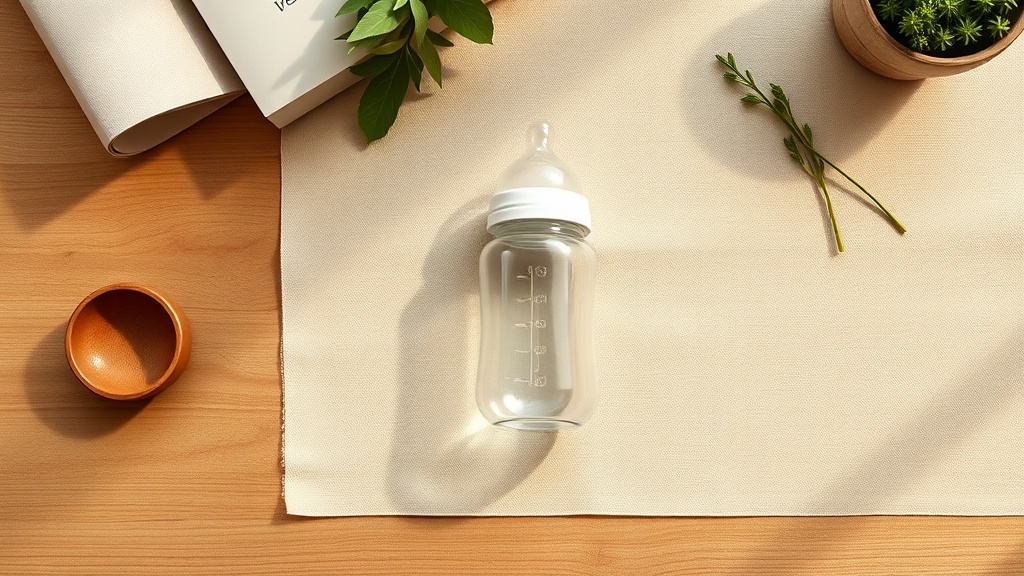
Does "BPA-free" on baby bottles actually mean they're safe?
caution
What's actually in it
When a baby bottle says "BPA-free" on the label, it means the manufacturer removed bisphenol A. But they almost always replaced it with a chemical cousin: BPS (bisphenol S), BPF (bisphenol F), or BPAF. These substitutes have similar chemical structures and similar hormone-disrupting properties. The label makes parents feel safe, but the replacement chemicals have not been thoroughly tested for safety in infants.
Bisphenol analogues also show up in paper products, receipt paper, and personal care items, so babies are exposed from multiple sources beyond just their bottles.
What the research says
A 2026 risk assessment study calculated the combined exposure to BPA, BPS, BPF, and BPAF from personal care products alone. When you add up exposure from all these analogues together, the total hormone-disrupting dose is higher than what you would get from BPA alone. Removing one bisphenol while adding others does not reduce the overall risk.
Research on bisphenol analogues in paper products found these chemicals in thermal receipt paper, food packaging paper, and other items, showing how widespread the exposure is. Your baby can absorb bisphenols from the bottle, from food packaging, and from anything you touched after handling a receipt.
A 2026 study showed that microplastic particles carrying bisphenols can activate inflammatory immune responses. Baby bottles shed microplastics during normal use, especially when heated, and those particles carry bisphenol analogues with them.
The health concerns are not theoretical. A 2026 study linked bisphenol analogue exposure to serious reproductive health outcomes in adults, suggesting these chemicals have real biological effects at the levels people are actually exposed to.
The bottom line
"BPA-free" is a marketing claim, not a safety guarantee. For infant feeding, glass bottles or stainless steel bottles eliminate bisphenol exposure entirely. If you use plastic bottles, never heat them in the microwave and replace them at the first sign of scratching or cloudiness, since damaged plastic leaches more chemicals.
The research at a glance
What to use instead
Browse our vetted, non-toxic alternatives. Every product is third-party certified.
Shop Non-Toxic Baby