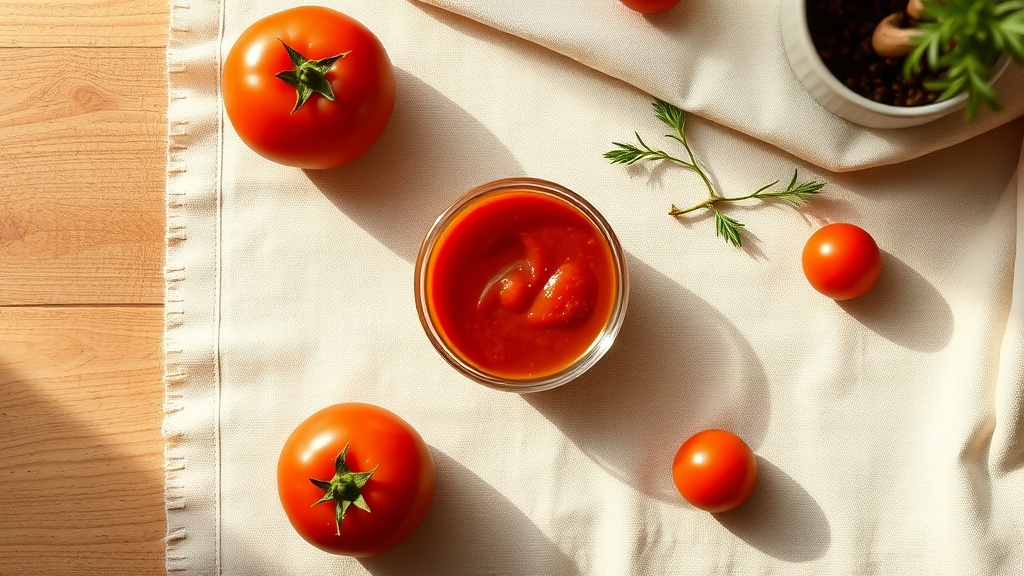
Is plastic a good storage material for acidic tomato sauce?
caution
Short answer
Use caution. Tomato sauce is not the food I would choose for plastic storage.
It is acidic, often contains oil, stains containers, and is commonly reheated. That makes glass the better everyday choice.
Why this matters
Food-contact risk is not only about the container. It is also about the food, the temperature, and the time.
A dry cracker in plastic is not the same as hot tomato sauce sitting in a stained plastic tub for 3 days.
What the research says
A 2026 Food Chemistry study screened chemicals transferred from plastic food-contact materials after cooking. Several compounds transferred during cooking, and low-density polyethylene packaging showed more transferred plasticizers.
A 2026 Journal of Hazardous Materials study found 114 migrating compounds from paper, plastic, and multilayer food-contact materials in standardized migration tests. Plasticizers and non-intentionally added substances were common categories.
A 2025 Reviews on Environmental Health systematic review found phthalates and bisphenols migrated from food packaging into food. Migration was affected by temperature, exposure time, and food composition.
What to do instead
Store tomato sauce in glass. Do not microwave tomato sauce in plastic.
Retire plastic containers that are stained, scratched, warped, or holding sauce odor.
The research at a glance
What to use instead
Glass storage jars handle tomato sauce without repeated plastic food contact, staining, or plastic reheating.
Shop Non-Toxic Kitchen