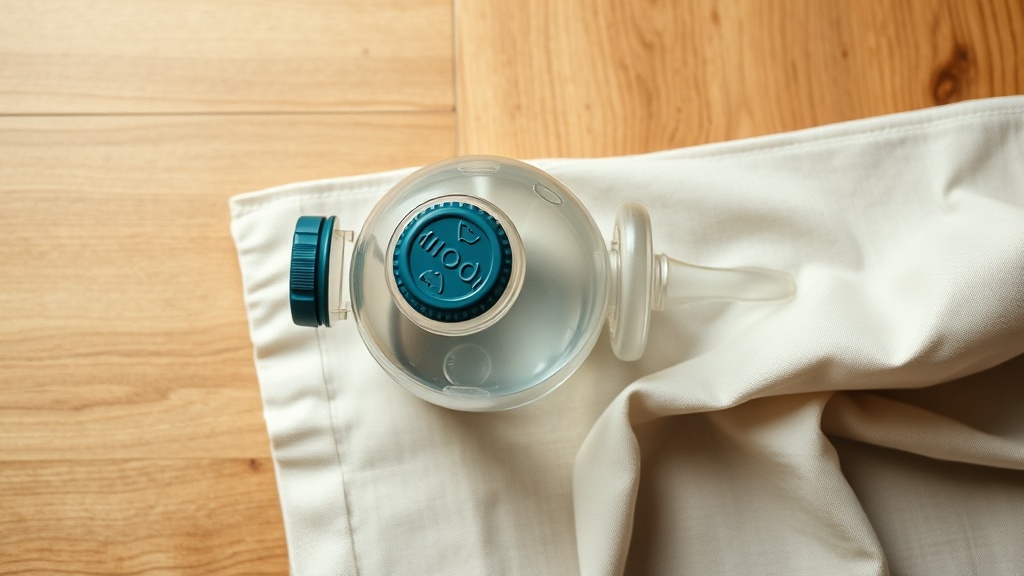
Does the cap of a plastic water bottle shed more plastic than the body?
The cap and bottle neck can be a major source of microplastic particles, especially when the same bottle is opened many times.
What's actually in it
A single-use plastic water bottle usually has a PET bottle body and a plastic cap made from HDPE or polypropylene. The cap rubs against the bottle neck each time you open and close it.
That friction matters most when the same bottle is opened, closed, refilled, and reused many times.
What the research says
A 2021 Journal of Water and Health study found microplastic levels in water increased as disposable plastic bottle caps were opened and closed. The study estimated 553 +/- 202 microplastics/L/cycle.
A 2019 Water Research study found opening and closing plastic bottles increased microplastic particles on PET bottlenecks and HDPE cap surfaces, especially after 100 cycles.
Practical takeaway: do not reuse single-use plastic bottles as your daily bottle. At home, pour water into a glass cup and avoid repeatedly opening the same plastic cap all day.
The research at a glance
| Study | Journal | Year |
|---|---|---|
| Generation of microplastics from the opening and closing of disposable plastic water bottles. | J Water Health | 2021 |
| Does mechanical stress cause microplastic release from plastic water bottles? | Water Res | 2019 |
What to use instead
For water at home, use glass cups instead of repeatedly opening and closing the same single-use plastic bottle.
Shop Non-Toxic Kitchen