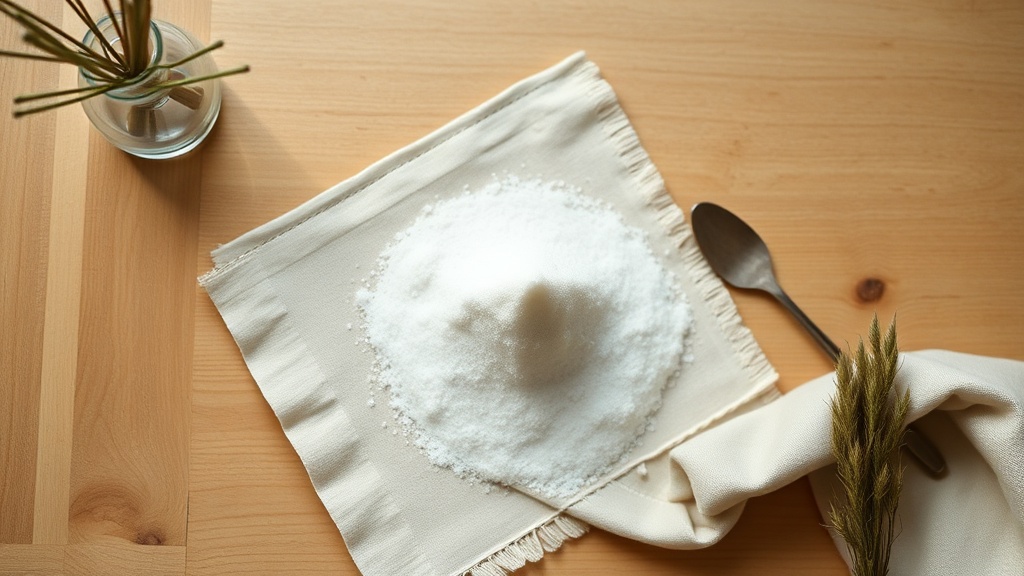
Does refined white sugar contain hidden microplastics?
caution
What's actually in it
Refined white sugar goes through multiple processing steps before it reaches your kitchen. It's filtered, bleached, crystallized, dried, and packaged. At each stage, it contacts plastic equipment, conveyor belts, storage containers, and plastic-lined packaging. Any of these can shed tiny microplastic particles into the sugar.
Because sugar dissolves in liquids, you won't see the plastic bits. But they don't dissolve. They stay in your coffee, baked goods, and sauces.
What the research says
A 2026 study in Food Addit Contam tested refined sugar bought from regular stores in Italy. Using advanced microscopy, the researchers found microplastic particles between 5 and 100 microns in size. That's smaller than the width of a human hair.
The particles included polyethylene, polypropylene, and polyester, all common plastics used in food processing equipment and packaging. The researchers confirmed each particle's identity using spectroscopy, so there was no guesswork.
Since the average person uses sugar in coffee, tea, baking, sauces, and dozens of processed foods, the daily intake adds up. Even small amounts per teaspoon become meaningful when multiplied across every meal.
You can't filter microplastics out of your sugar at home. But choosing less-processed sweeteners like raw honey or maple syrup, or buying sugar in glass jars, may reduce your exposure. Organic sugar processed with less plastic machinery could also help.
The research at a glance
| Study | Journal | Year |
|---|---|---|
| Hidden pollutants in food: Evidence of small microplastic particles (100-5 microns) in refined sugar from the Italian market. | Food Addit Contam | 2026 |
What to use instead
Browse our vetted, non-toxic alternatives. Every product is third-party certified.
Shop Non-Toxic Kitchen