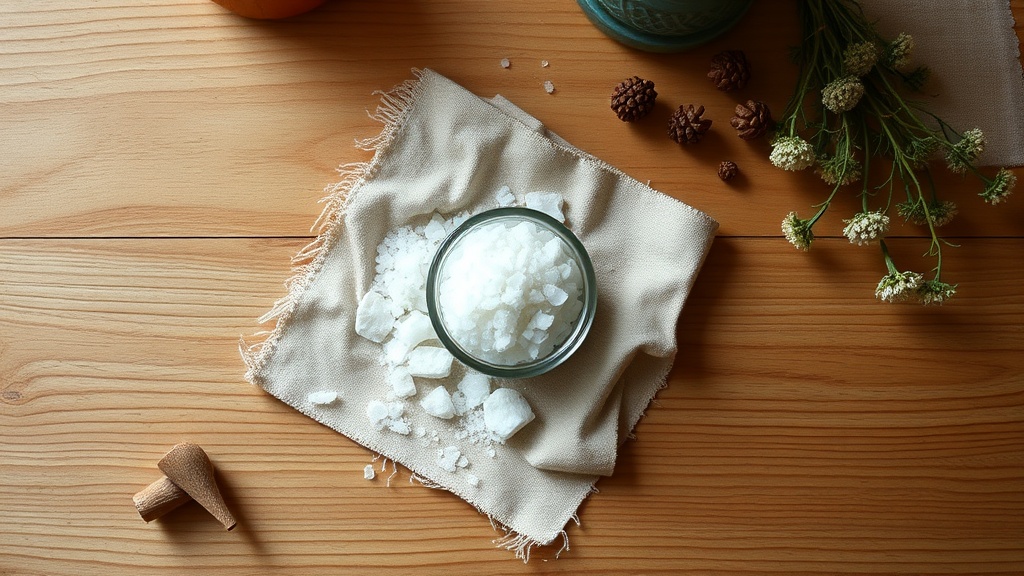
Can sea salt carry microplastic concerns?
Use sea salt normally, but keep the concern in perspective. A 2026 Marine Pollution Bulletin study found microplastics associated with harvested sea salt affected Vibrio biofilms and brine shrimp development in a marine model, not direct human salt risk.
What is actually in it
Sea salt is made from seawater, so it can reflect pollution in the marine environment. Microplastics can be present in some harvested salt, and packaging or processing can add more contact points.
Salt is used in small amounts. For most families, sea salt is not the first microplastic exposure to worry about.
What the research says
A 2026 Marine Pollution Bulletin study looked at microplastics associated with harvested sea salt in Vibrio and brine shrimp models. The study found more Vibrio biofilm formation and impaired brine shrimp growth, survival, and intestinal tissue findings.
This is not a human study of normal seasoning use. It supports awareness that sea salt can reflect marine microplastic pollution, but it does not mean you need to stop using salt.
What to do at home
Choose reputable salt brands with clear sourcing. Store salt dry in a closed glass or ceramic container. Use a clean, dry spoon.
For bigger microplastic reduction, focus on hot food in plastic, bottled drinks, and dusty synthetic textiles before worrying about tiny amounts of salt.
The research at a glance
| Study | Journal | Year |
|---|---|---|
| Sea salt associated microplastics amplify pathogenic Vibrio and impair development in brine shrimp (Artemia franciscana). | Mar Pollut Bull | 2026 |