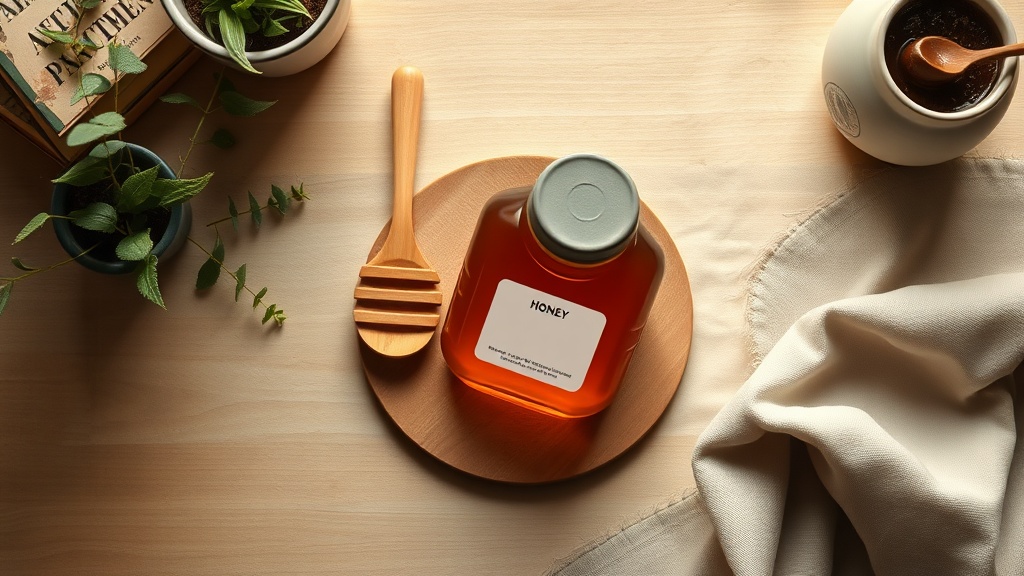
Can honey carry plasticizers and BPA?
Use caution with daily honey in plastic squeeze bottles. A 2026 Foods study found no Algerian honey sample tested was free of phthalates, non-phthalate plasticizers, and bisphenols, and BPA exposure raised toxicological concern.
What is actually in it
Honey can contact plastic during beekeeping, extraction, bottling, shipping, and storage. It can also reflect pollution from the local environment around the hive.
The concern is not honey itself. The concern is plasticizer and bisphenol contamination that can show up before the jar reaches your kitchen.
What the research says
A 2026 Foods study tested honeys from Algerian coastal and non-coastal areas. No sample was free of the tested phthalates, non-phthalate plasticizers, and bisphenols. BPA was found in coastal and non-coastal honeys, and the authors reported toxicological concern from BPA exposure.
The study did not test every honey brand or prove that one plastic bottle is the only source. It does support better beekeeping practices, monitoring, and less plastic contact where practical.
What to do at home
Choose honey sold in glass when you can. Do not warm honey in a plastic squeeze bottle. Store honey in glass, ceramic, or wood serving containers after opening.
For kids under 1 year old, follow pediatric guidance and avoid honey because of infant botulism risk. That advice is separate from plasticizer concerns.
The research at a glance
| Study | Journal | Year |
|---|---|---|
| From Environment to Hive: Plasticizer and Bisphenols Contamination in Algerian Honeys. | Foods | 2026 |