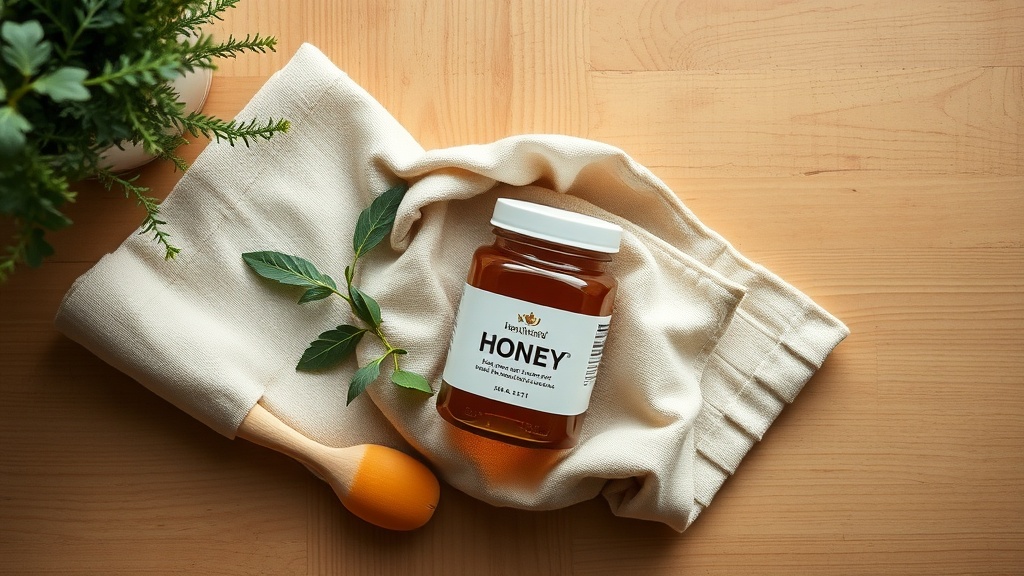
Does store-bought honey contain microplastics?
Yes. Researchers found microplastic particles in every type of honey tested, including organic varieties. The particles come from environmental pollution, not the jar.
What's actually in it
Honey seems like one of the purest foods you can buy. Bees make it, beekeepers collect it, and it shows up in a jar on your shelf. But bees fly through the same air and land on the same surfaces as everything else. Microplastics, tiny plastic fragments smaller than 5 millimeters, are everywhere in the environment now. They float in the air, settle on flowers, and end up in water sources bees drink from.
The plastic particles in honey aren't added during processing. They're already in the environment before the bees even start making it.
What the research says
A 2026 study in NPJ Sci Food tested different types of honey, both industrial and specialty varieties, for microplastic contamination. The researchers found microplastic particles in every sample. No type of honey was free of them.
The study looked at honey as a "bioindicator," meaning it reflects the level of plastic pollution in the area where the bees live. Honey from areas with more industrial activity contained higher concentrations of microplastics. The most common particle types were polyester and polyethylene fibers, the same plastics found in clothing and packaging.
The health effects of eating microplastics are still being studied. Early research in animals suggests they can cause gut inflammation and may carry other toxic chemicals on their surface. But scientists don't yet have clear data on what small daily doses do to humans over time.
You can't wash microplastics out of honey or filter them at home. The particles are too small. Choosing honey from rural, less-industrialized regions may lower your exposure, but it won't eliminate it entirely. Raw, locally sourced honey from clean areas is your best bet, though no honey is completely microplastic-free at this point.
The research at a glance
| Study | Journal | Year |
|---|---|---|
| Honey as a bioindicator of microplastic pollution: insights from industrial and special honey types. | NPJ Sci Food | 2026 |
What to use instead
Browse our vetted, non-toxic alternatives. Every product is third-party certified.
Shop Non-Toxic Kitchen