Can cadmium and lead in wheat and rice flour affect your long-term health?
caution
What's actually in it
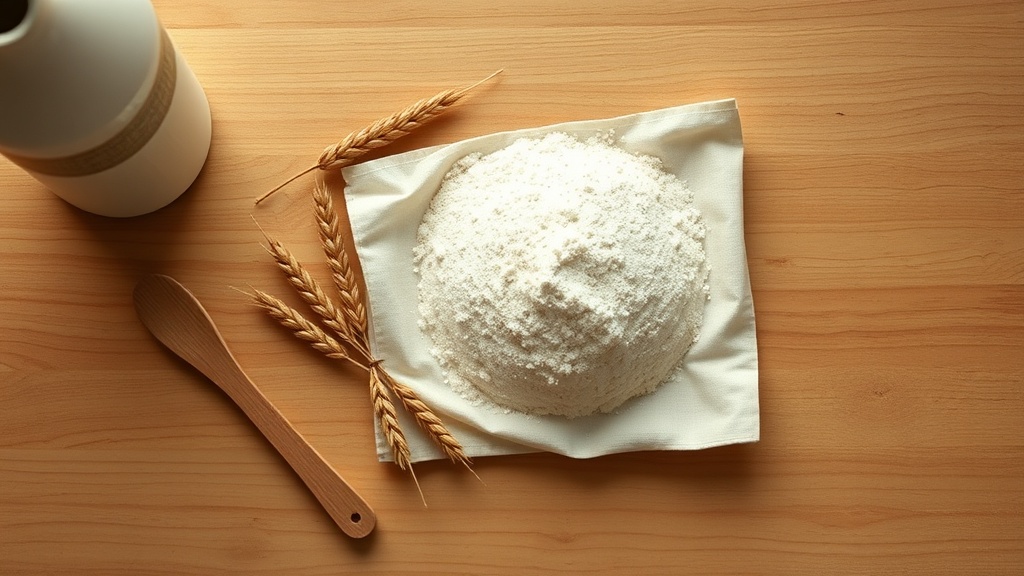
Wheat flour and rice flour are staples in most households. Bread, pasta, cereal, crackers, and baked goods all rely on these grains. Both crops absorb cadmium and lead from soil through their roots. The concentrations depend on where the grain was grown, what fertilizers were used, and how contaminated the irrigation water is.
Because most people eat wheat or rice at nearly every meal, even low concentrations add up to a large daily dose.
What the research says
A 2026 dietary risk assessment in Environ Sci Pollut Res measured cadmium and lead levels in wheat and rice samples and calculated how much consumers absorb over a lifetime of eating these grains daily.
For cadmium, people who relied heavily on rice as their primary grain had cumulative exposure that approached or exceeded the tolerable weekly intake set by international agencies. Cadmium accumulates in the kidneys with a half-life of 10 to 30 years, so each week's intake builds on the last.
Lead levels in both wheat and rice were lower on average but still contributed meaningfully to total daily intake. Children were at higher risk because they eat more food relative to body weight and absorb lead more efficiently than adults.
The study emphasized that the health target organs for these metals are the kidneys (cadmium) and brain (lead), both of which suffer cumulative damage without obvious symptoms until advanced stages.
Diversify your grain intake. Rotate between wheat, rice, oats, quinoa, millet, and buckwheat to spread exposure across different crops and different sourcing regions.
The research at a glance
| Study | Journal | Year |
|---|---|---|
| Risk assessment of dietary exposure to cadmium and lead through wheat and rice consumption | Environ Sci Pollut Res | 2026 |
What to use instead
Browse our vetted, non-toxic alternatives. Every product is third-party certified.
Shop Non-Toxic Kitchen