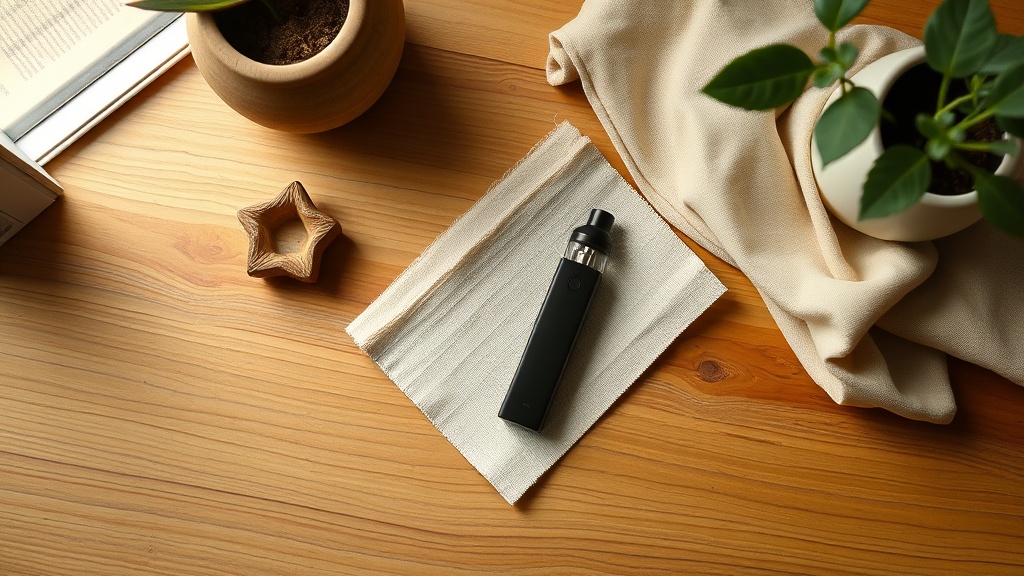
Is it safe for adolescents to use disposable vapes with plastic components?
No. Beyond nicotine, plastic nanoparticles from the vape itself damage reproductive development.
What's actually in it
Disposable vapes are plastic tubes with a heating element, a battery, and a reservoir of flavored e-liquid. Heating the liquid against plastic walls produces aerosolized polystyrene nanoparticles along with the nicotine and flavor compounds. The aerosol goes straight to the lungs and from there into the bloodstream. Teens using these products do it multiple times an hour, not once in a while.
Adolescence is when the reproductive system locks in its adult function. The gut microbiome also restructures in the teen years and supports reproductive maturation.
What the research says
A 2026 study in J Nanobiotechnology exposed adolescent mice to polystyrene nanoplastics at doses matching what comes from heated plastic devices. Males showed reproductive damage driven by the microbiome-gut-testis axis: the gut bacteria shifted, and that shift impaired testicular function. Nicotine wasn't even in the experiment. The plastic part alone caused the damage.
The layered risk (nicotine, flavoring chemicals, heated plastic, heavy metals from the coil) stacks up harder than any single hit. For parents, the cleanest frame isn't "nicotine vs. non-nicotine" but "heated plastic delivery device during puberty". Non-vape alternatives for anxiety or social connection (sleep, exercise, therapy, plain gum) are the actual fix.
The research at a glance
| Study | Journal | Year |
|---|---|---|
| Adolescent exposure to polystyrene nanoplastics induces male reproductive damage via the microbiome-gut-testis axis. | J Nanobiotechnology | 2026 |
What to use instead
Browse our vetted, non-toxic alternatives. Every product is third-party certified.
Shop Non-Toxic Home