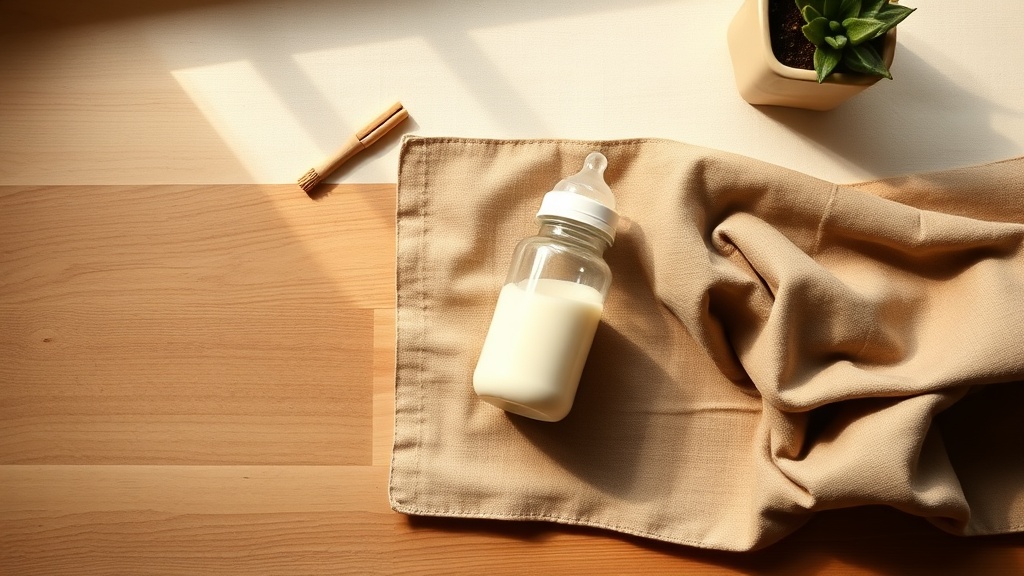
Is it safe for babies to drink formula heated in polypropylene bottles?
No. Polypropylene bottles release microplastic into warm formula and may affect protein digestion.
What's actually in it
Most baby bottles are polypropylene (PP) or Tritan plastic. Heating formula in these bottles releases microplastic and nanoplastic particles into the milk. Babies then consume the plastic particles along with their nutrition. The plastic interacts with milk proteins in the infant gut.
Daily use of the same bottles through many feedings accumulates measurable infant plastic exposure.
What the research says
A 2025 study in Environ Pollut examined how polypropylene micro- and nanoplastics affect the digestion of cow's milk proteins in an infant gastric digestion model. Microplastic contamination interfered with normal milk protein breakdown. The effect could impact nutrient absorption and gut development in infants.
For bottle-feeding, glass bottles (Dr. Brown's glass, Philips Avent glass, Chicco Duo) eliminate the microplastic release issue. Silicone bottles (Comotomo, Olababy) are a flexible alternative. For warming formula, don't microwave; use a bottle warmer or warm water bath. Transfer formula into a glass bottle before warming. If glass breakage is a concern, stainless steel baby bottles (Pura Kiki, Klean Kanteen) work too and don't break.
The research at a glance
| Study | Journal | Year |
|---|---|---|
| Polypropylene micro- and nanoplastics affect the digestion of cow's milk proteins in infant model of gastric digestion. | Environ Pollut | 2025 |
What to use instead
Browse our vetted, non-toxic alternatives. Every product is third-party certified.
Shop Non-Toxic Baby