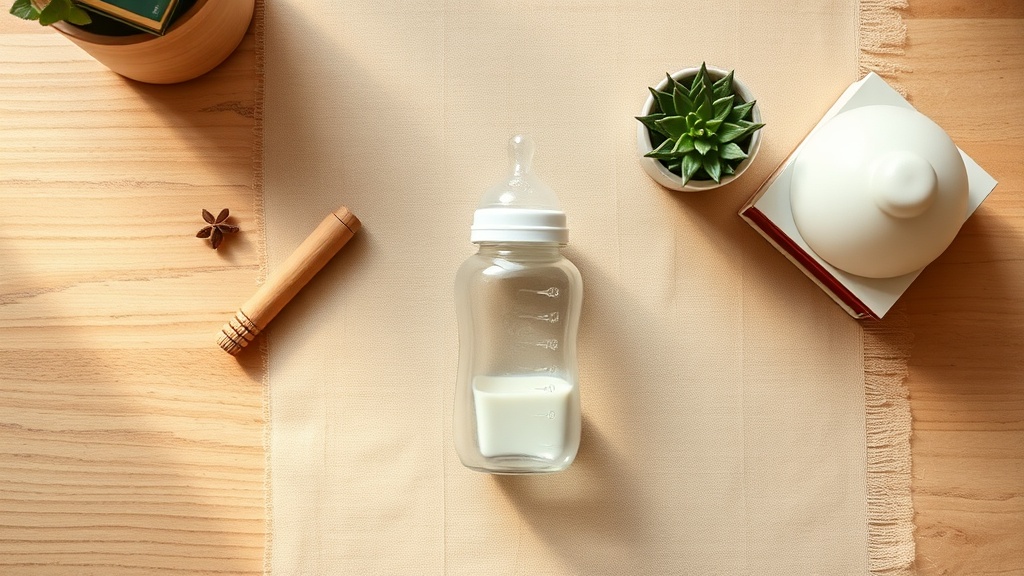
Is it safe for kids to drink milk from Chinese export baby bottles?
Not without checking. Imported baby bottles still test positive for BPA leaching.
What's actually in it
Baby bottles sold in the US market are required to be BPA-free. Bottles sold through small import channels (AliExpress, Amazon Marketplace, Temu, regional grocery stores) sometimes don't meet that rule. Even "BPA-free" products from unknown manufacturers often use BPS or BPF, which behave similarly.
Babies drink a lot of formula or milk from bottles in the first year. Chemical migration per bottle is small; total exposure across thousands of feeds is real.
What the research says
A 2025 study in Food Chem X measured BPA extraction from various packaged milks and baby bottles and ran health risk assessment. Multiple bottle products, including some marketed as BPA-free, released detectable BPA. Migration increased with bottle age, repeated sterilization, and scratch damage.
For baby bottles, stick to glass or medical-grade silicone from well-known brands: Dr. Brown's glass, Philips Avent glass, Comotomo silicone. These skip the BPA question entirely. For short-term travel, stainless steel baby bottles (Pura Kiki, Klean Kanteen) work well. Replace any plastic bottle when it shows cloudiness or scratches. Don't reuse bottles across children if the first kid used them for years.
The research at a glance
| Study | Journal | Year |
|---|---|---|
| Extraction, quantification and health risk assessment of bisphenol A from various kinds of packaged milk and baby bottles. | Food Chem X | 2025 |
What to use instead
Browse our vetted, non-toxic alternatives. Every product is third-party certified.
Shop Non-Toxic Baby