Is it safe to eat hot food from PLA bioplastic plates during pregnancy?
Use caution. A 2026 mouse study found oligomeric lactic acid particles from PLA-related plastic crossed the placenta and impaired fetal growth.
What's actually in it
PLA, or polylactic acid, is a common bioplastic used for disposable plates, cups, lids, and takeout containers. It is often marketed as compostable or plant-based, but it is still a plastic material.
Heat and food contact can make disposable foodware a bigger concern. During pregnancy, the placenta is one reason to be extra careful with avoidable plastic contact.
What the research says
A 2026 study in PLoS Biology studied oligomeric lactic acid particles linked to PLA plastic in pregnant mice. The particles crossed the placental barrier and built up in fetal organs.
Gestational exposure at an environmentally relevant dose impaired placental blood vessel development and caused intrauterine growth restriction in the pups. This is animal evidence, not proof that one restaurant meal causes harm. It is enough reason to reduce repeated hot food contact with PLA during pregnancy.
What to do in the kitchen
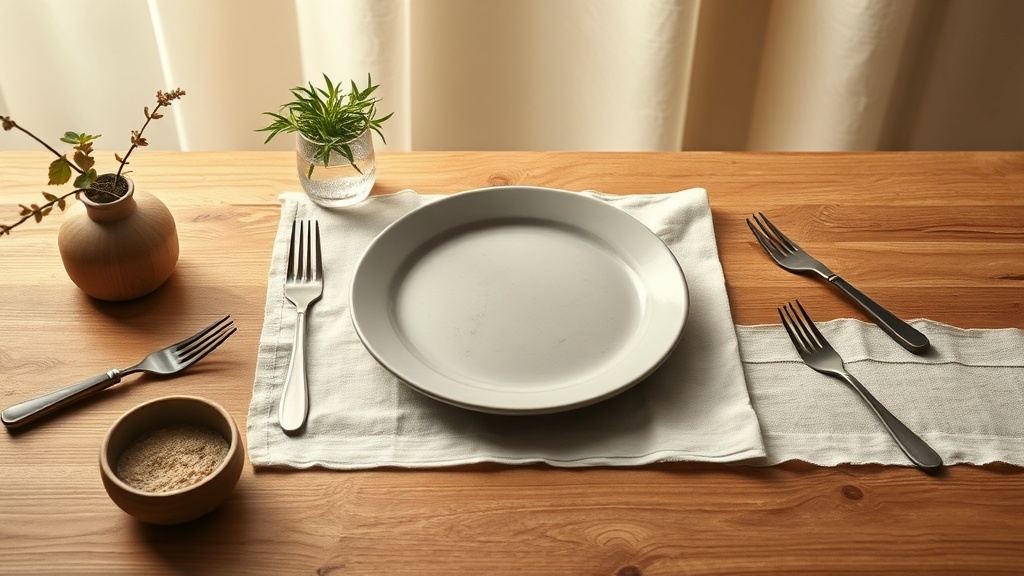
Choose ceramic, porcelain, glass, stainless steel, or wood for hot meals when you can. At restaurants, real plates and metal utensils are the better option.
For takeout, move hot food out of PLA or plastic containers and onto a real plate when you get home. At home, use reusable plates instead of disposable compostable plastic for daily meals.