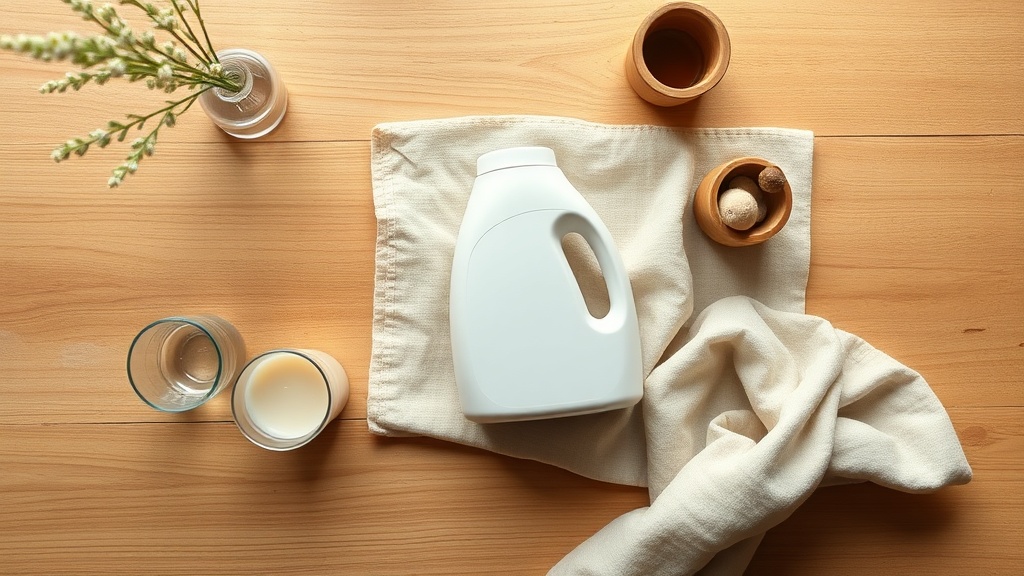
Is it safe to use scented laundry detergent if someone in the house has asthma?
No. Laundry detergent residue on clothes makes airway inflammation worse.
What's actually in it
Scented detergent and fabric softener leave a residue on fabric that's meant to last through the day. That residue is a cocktail of surfactants, enzymes, fragrance chemicals, and optical brighteners. "Fragrance" on a label can hide dozens of separate chemicals, including phthalates and known allergens. When you wear the clothes, the residue rubs onto skin and the fragrance molecules go into the air you breathe.
Asthma is a chronic over-reaction of the airways. Adding a steady stream of irritants on top makes the baseline worse.
What the research says
A 2026 study in Allergy exposed mice to common laundry detergents along with inhaled allergens. The detergents enhanced sensitization to the allergens and made airway inflammation worse. The detergents on their own also stirred up lung inflammation. The mechanism involved damage to the airway lining that let allergens penetrate deeper than they would otherwise.
A fragrance-free, dye-free detergent cuts the exposure most of the way. "Free and clear" labels from the major brands work. Skipping fabric softener and dryer sheets takes out another big source. A second rinse cycle helps remove any leftover residue from work clothes that touch skin all day. Line-drying outside, when possible, airs the fabric.
The research at a glance
| Study | Journal | Year |
|---|---|---|
| Laundry Detergents Enhance Sensitization to Co-Inhaled Allergens and Exacerbate Airway Inflammation in Mice. | Allergy | 2026 |
What to use instead
Browse our vetted, non-toxic alternatives. Every product is third-party certified.
Shop Non-Toxic Clothes