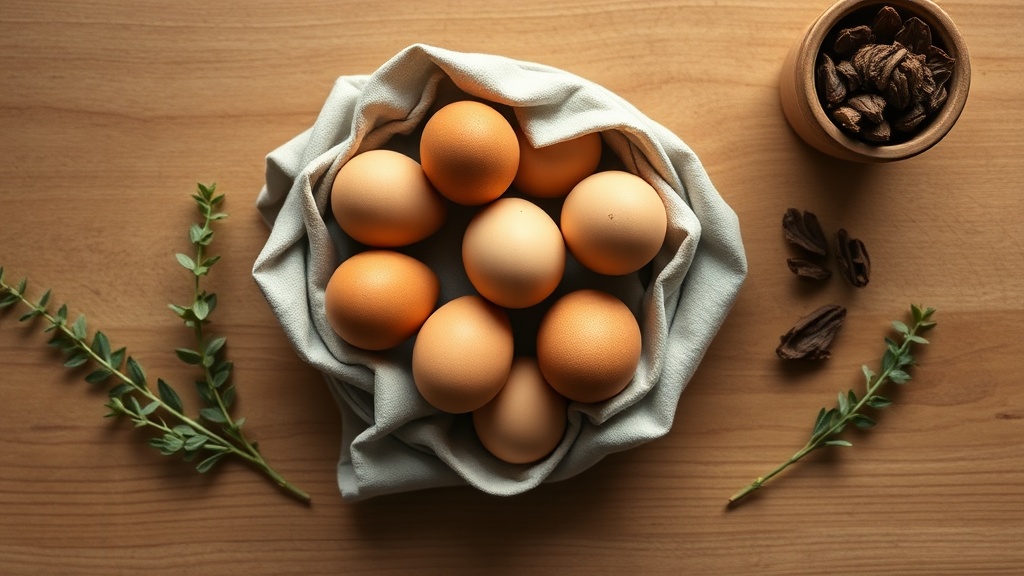
Is it safe to buy backyard-chicken eggs from a neighbor using old fertilizer?
Not reliably. Backyard eggs can carry higher PFAS than commercial if the soil is contaminated.
What's actually in it
Backyard chickens forage in yard soil, drink water from local sources, and eat bugs and table scraps. Whatever is in the environment ends up in the eggs. Yards near contaminated former industrial sites, old fertilizer spreading areas, or waste application zones have soil PFAS levels that commercial farms don't. Chickens concentrate these chemicals in egg yolk.
Some backyard fertilizers, particularly biosolid-based fertilizers spread on fields in the past, are a known PFAS source that stays in soil for decades.
What the research says
A 2026 study in Foods measured PFAS levels in commercial and home-produced eggs in Croatia. Backyard eggs had more variable and often higher PFAS levels than commercial eggs. The outcome depended heavily on yard soil status. Well-sited rural backyards produced clean eggs; yards near contaminated sites produced eggs well above background.
If you keep backyard chickens, consider getting your yard soil tested for PFAS (lab tests run $200-400). A clean yard tested free of PFAS is a great egg source. For a suspicious yard, raised beds with imported clean soil for chicken foraging, and a strict no foraging near known contamination zones rule, helps. For buying from neighbors, ask about their soil and fertilizer practices; a clear answer is a green light.
The research at a glance
| Study | Journal | Year |
|---|---|---|
| Per- and Polyfluoroalkyl Substance Levels in Commercial and Home-Produced Eggs in Croatia. | Foods | 2026 |
What to use instead
Browse our vetted, non-toxic alternatives. Every product is third-party certified.
Shop Non-Toxic Kitchen