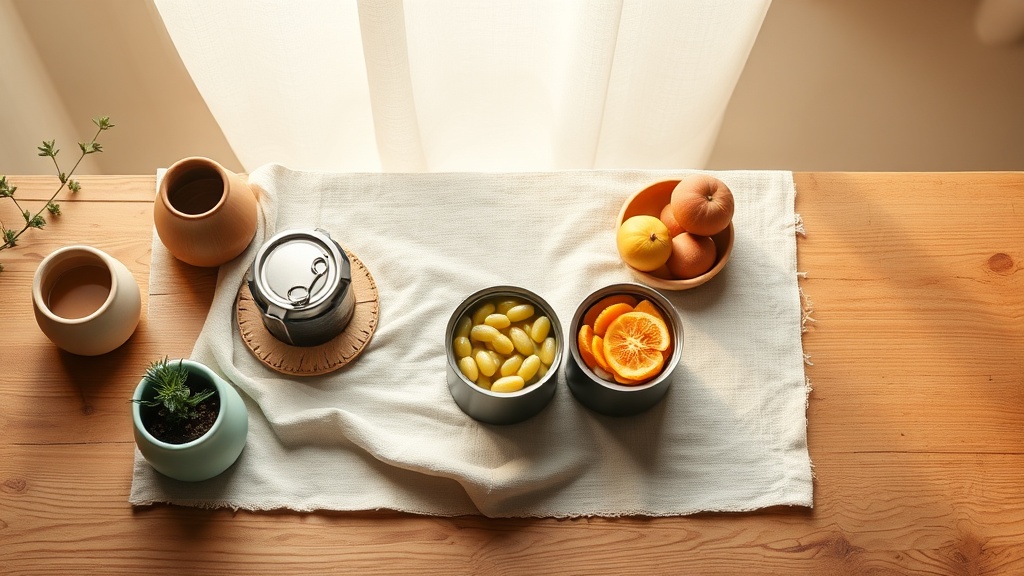
Is it safe to buy canned foods packed in lined tin cans during pregnancy?
Not routinely. Tin migration from cans links to birth defects at exposure levels found in food.
What's actually in it
Most food cans are steel with an epoxy or resin lining. Some old-style cans, or imported products, use uncoated tin-plate that releases tin into acidic foods like fruit, tomato, and pineapple. The linings in modern cans also aren't always intact: dents, scratches, and age can expose the tin layer. Canned drinks in colored cans sometimes have thinner linings that fail sooner.
Tin has its own toxicity profile. It's not lead, but it matters in pregnancy.
What the research says
A 2025 study in Environ Toxicol moved from association to mechanism: excessive exposure to tin during pregnancy may cause fetal neural tube defects. The exposure levels associated with effects matched those in canned food, especially canned fruits and juices consumed daily.
During pregnancy, glass-jarred fruits and vegetables are the cleaner shelf-stable option. For tomatoes, glass-jarred pasata and passata (Italian brands, some US brands) work well. Frozen produce is another clean alternative. When canned food is used, check for dents or damage on the can and don't buy dinged cans. Drain and rinse canned beans and vegetables before cooking to reduce surface residue. Single cans occasionally are fine; daily canned meals during pregnancy aren't.
The research at a glance
| Study | Journal | Year |
|---|---|---|
| From Association to Mechanism: Excessive Exposure to Tin During Pregnancy May Cause Fetal Neural Tube Defects. | Environ Toxicol | 2025 |
What to use instead
Browse our vetted, non-toxic alternatives. Every product is third-party certified.
Shop Non-Toxic Baby