Is it safe to buy cheap Swiss or EU-market toys for kids?
Use caution. Stronger rules help, but cheap plastic toys can still release bisphenols when kids mouth them.
What's actually in it
Young kids chew, suck, and mouth toys. That makes bisphenol migration into saliva the key test for plastic toys, bath toys, teethers, sippy cups, and baby bottles.
Bisphenol A (BPA) is the famous one, but replacement bisphenols can also show up in children's products. A toy being sold in Switzerland or the EU is a useful signal, but it is not a full safety promise.
What the research says
A 2025 Chemosphere study tested 162 children's products from the Swiss market with artificial saliva. Researchers found widespread bisphenol release. Oral supports, feeding accessories, and baby bottles had higher migration than general toys and bath items. For some products, estimated exposure exceeded the European Food Safety Authority threshold for BPA.
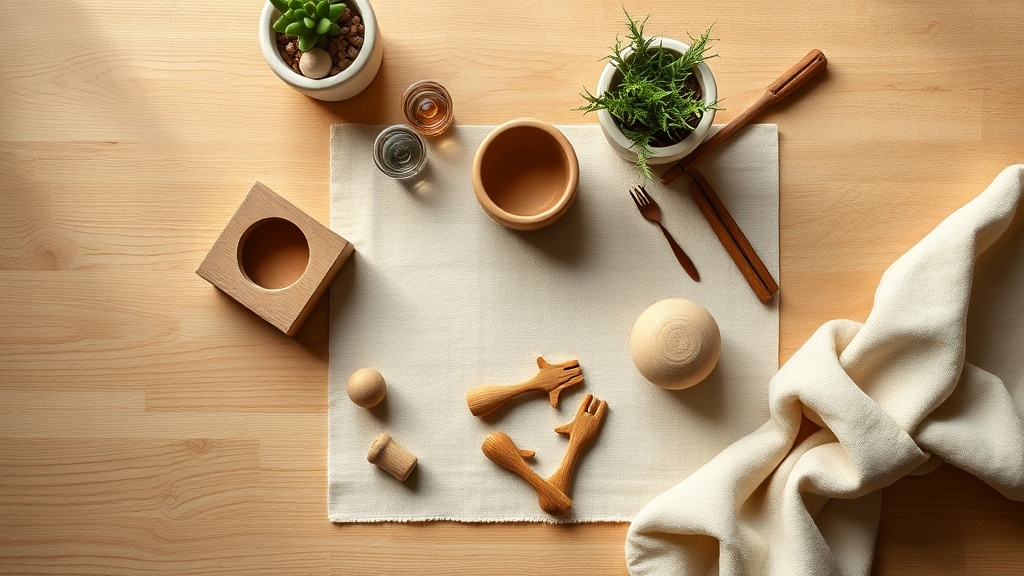
For babies and toddlers, choose the material first. Wood, stainless steel, cotton, and food-grade silicone are better targets than mystery plastic. Avoid unmarked soft plastic, mystery imports, and toys with strong scent. A smaller toy bin made of simple materials beats a big bin of cheap plastic.
The research at a glance
| Study | Journal | Year |
|---|---|---|
| Assessing bisphenols migration from children's products on the Swiss market: simulated oral exposure and risk implications. | Chemosphere | 2025 |