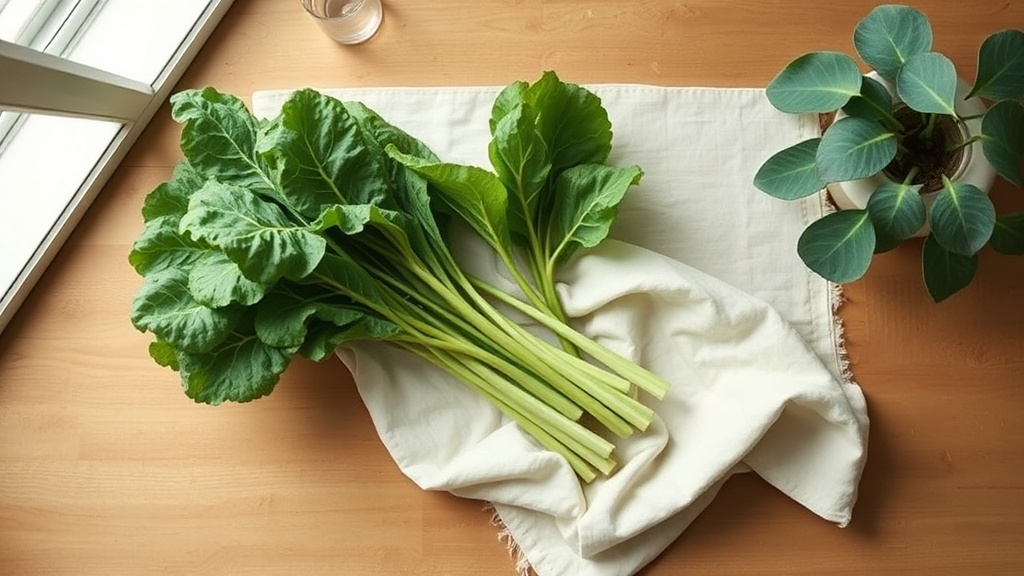
Is it safe to buy leafy greens from urban markets near busy roads?
Use caution. Wash well, vary the source, and do not rely on rinsing to remove metals inside the leaf.
Short answer
Leafy greens are still worth eating. The safer move is to wash them well and vary where you buy them. If a market is right next to heavy traffic or old industry, do not make that your only greens source.
What can add exposure
Greens can pick up metals from soil through roots. Leaves can also catch dust from nearby roads, old paint, or industrial areas. Rinsing helps with surface dust. It cannot remove metals already inside the plant.
What the research says
A 2026 International Journal of Environmental Research and Public Health study tested leafy vegetables and soils from a South African study area. Some measured metal levels were above WHO and FAO permissible limits. The study supports paying attention to growing location and source, not avoiding greens altogether.
FDA produce guidance says to rinse produce under plain running water, rub gently, dry after washing, and avoid soap or produce wash.
What to do
Rinse leafy greens under running water and dry them. Remove damaged outer leaves. Rotate between market greens, grocery greens, hydroponic lettuce, and farms outside heavy traffic areas when you can. Use a bowl for soaking loose dirt, then finish with running water.
The research at a glance
| Study | Journal | Year |
|---|---|---|
| Metal Concentrations in Edible Leafy Vegetables and Their Potential Risk to Human Health. | Int J Environ Res Public Health | 2026 |
| 7 Tips for Cleaning Fruits, Vegetables | FDA Consumer Updates | 2026 |