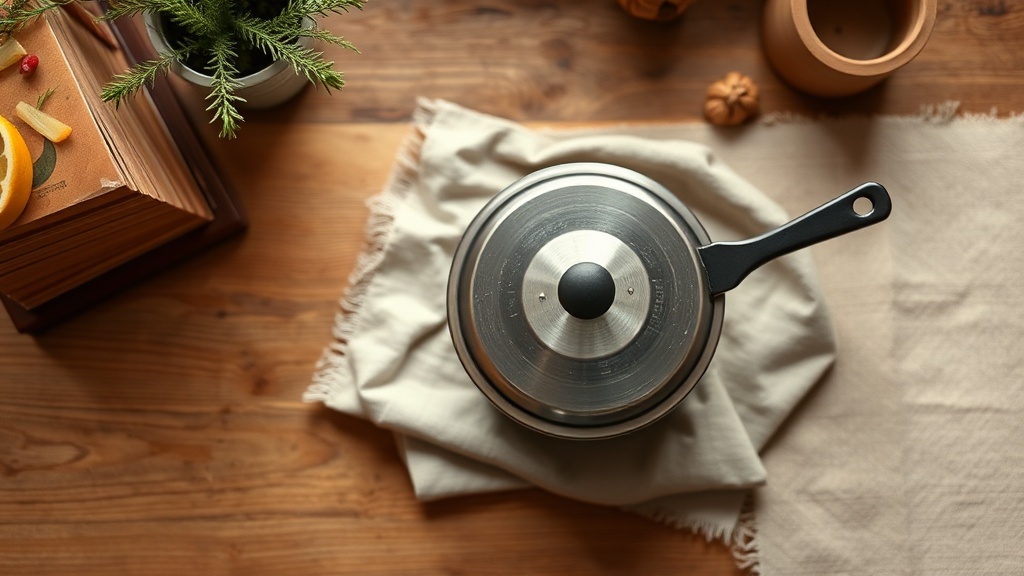
Is it safe to cook in a souvenir metal pot brought back from another country?
Not without testing. Imported metal cookware tests positive for lead at high rates.
What's actually in it
Traditional metal cookware sold in markets abroad often uses recycled scrap metal. That scrap can include solder, old car parts, or electronic waste, all of which contain lead. The pot looks like aluminum or brass, but the alloy is a mix of whatever was melted down. Imported cookware is also not subject to the same lead limits as cookware sold in US stores.
Lead migrates out of the metal when food is acidic (tomato, lemon, vinegar), salty, or simmered for a long time. A single meal cooked in a leaded pot can deliver more lead than a child should get in a year.
What the research says
A 2025 study in J Expo Sci Environ Epidemiol tested metal cookware collected from community sources. Many pieces, especially aluminum pots and pressure cookers from South Asia and Africa, released lead at levels that would significantly raise blood lead in a child. The study also found that shiny, modern-looking imported pots weren't safer. Visual inspection can't tell you what's in the alloy.
If you already have a souvenir pot, use it for display only. For cooking, stick to stainless steel, cast iron, or enameled cast iron from manufacturers that test for lead. If you really want to test a piece, a home lead swab costs a few dollars at a hardware store. A positive swab means the pot is out of the kitchen.
The research at a glance
| Study | Journal | Year |
|---|---|---|
| Evaluating metal cookware as a source of lead exposure. | J Expo Sci Environ Epidemiol | 2025 |
What to use instead
Browse our vetted, non-toxic alternatives. Every product is third-party certified.
Shop Non-Toxic Kitchen