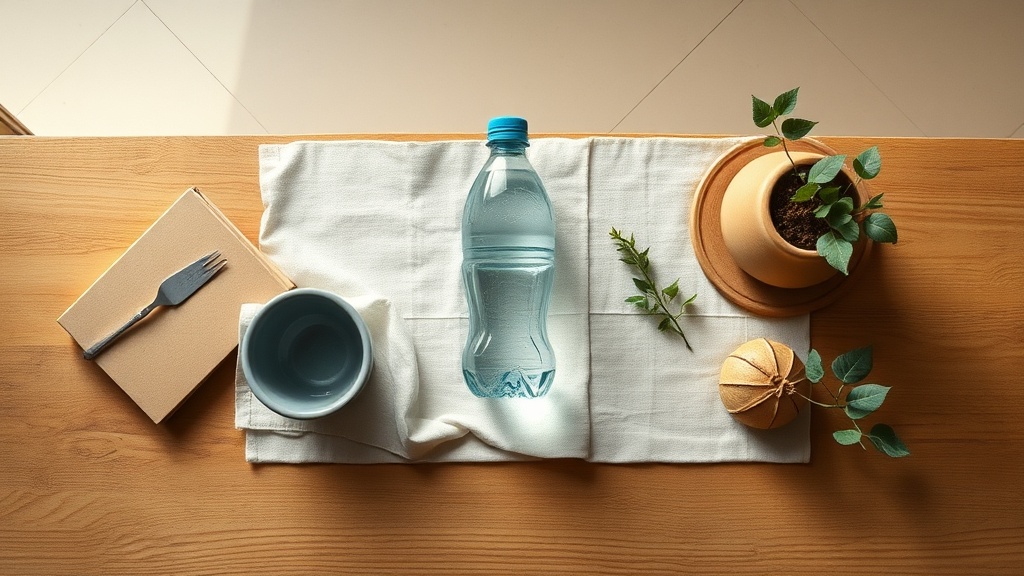
Is it safe to drink bottled mineral water every day?
Use caution. PET-bottled mineral water can contain bisphenols and phthalates.
What's actually in it
Most bottled mineral water comes in PET plastic. The water may be mineral-rich, but the package is still plastic. Heat, sunlight, and long storage can make packaging exposure worse.
A bottle now and then is not the issue. Daily plastic-bottled water is repeated contact between drinking water and plastic.
What the research says
A 2026 study in Environmental Toxicology tested 6 PET-bottled mineral water brands from Brazil. Researchers found BPF and DIOP in all samples. BPA and BPS appeared in some brands after sunlight exposure. The study also reported estrogenic activity values that exceeded proposed trigger values for bottled mineral water.
When you can, choose filtered tap water in glass or stainless steel. If you buy mineral water, pick glass bottles and avoid bottles stored in hot cars, garages, or direct sun. At home, glass cups and glass storage reduce extra plastic contact.
The research at a glance
| Study | Journal | Year |
|---|---|---|
| Bisphenols and Phthalates in Bottled Mineral Water: First Evidence of Co-Occurrence, Estrogenic Activity, and Health Risk in Brazil. | Environ Toxicol | 2026 |
What to use instead
For daily water at home, glass drinkware and storage are better everyday defaults than plastic bottles.
Shop Non-Toxic Kitchen