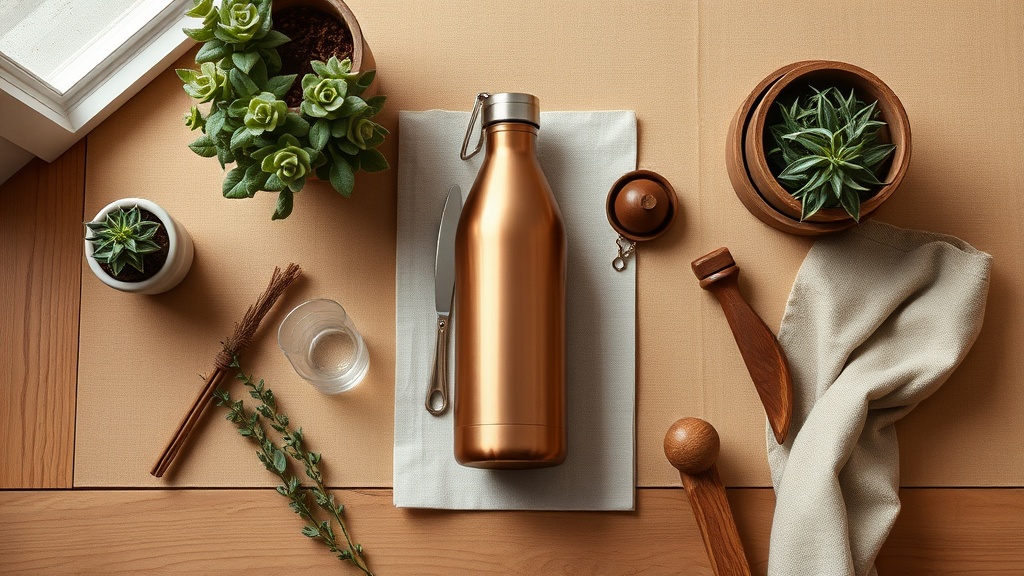
Is it safe to drink from a copper water bottle for health reasons?
Use caution. Copper is essential, but a copper bottle can add extra copper to water.
What is in it
A copper water bottle can release copper ions into water. Copper has real jobs in the body, so the issue is dose. You do not want a bottle quietly changing your daily intake.
Long sitting time, warm storage, acidic drinks, and a metallic taste are reasons to stop using that water. Do not store water in a copper bottle overnight, and do not use it for lemon water, juice, or other acidic drinks.
What the research says
An NCBI Bookshelf StatPearls chapter on copper toxicity explains that copper supports enzyme reactions, connective tissue formation, and neurologic processes, but excess copper can cause oxidative stress, mitochondrial injury, and organ damage. The CDC says copper can contaminate drinking water and that hot water dissolves copper more easily than cold water.
A 2026 Ecotoxicology and Environmental Safety study linked higher blood copper with coronary artery calcification in a multi-metal analysis. That study is not about copper bottles. It is a useful reminder that more copper is not always better.
For daily water, choose glass or stainless steel. If you love a copper bottle, use it only sometimes, keep water cool, and pour it out if it tastes metallic.
The research at a glance
| Study | Journal | Year |
|---|---|---|
| Copper Toxicity | NCBI Bookshelf | |
| Chemicals That Can Contaminate Tap Water | Centers for Disease Control and Prevention | |
| Copper-driven risk of coronary artery calcification: Multi-metal mixture analysis and threshold identification. | Ecotoxicol Environ Saf | 2026 |