Is it safe to drink packaged milk daily for the kids?
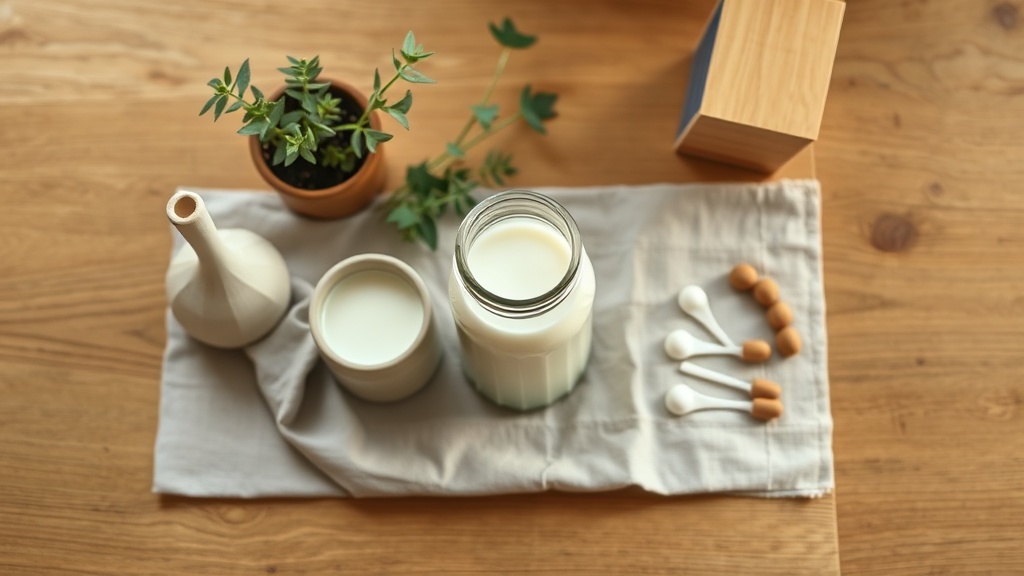
Usually yes nutritionally, but packaging can add microplastic exposure. Glass storage lowers contact after opening.
What's actually in it
Milk can come in plastic jugs, plastic-lined cartons, or glass bottles. The milk itself can provide protein, calcium, vitamin D, and B12. The packaging is a separate issue.
Plastic food contact can add tiny plastic particles during processing, filling, shipping, and storage. Kids drink more per pound of body weight than adults, so repeated small exposures matter more for them.
What the research says
A 2026 Food and Chemical Toxicology study tested packaged milk and farm fresh milk in India. Packaged milk had higher microplastic counts than farm fresh milk, and low-density polyethylene was the main polymer found in packaged milk. The authors pointed to packaging and processing as likely sources.
This study does not measure every U.S. milk brand. It does support a practical move: choose glass-bottled milk when it is available and affordable. If you buy plastic jugs or cartons, transfer opened milk into a clean glass pitcher or jar and use it within a few days. Serve milk in glass or stainless steel cups instead of soft plastic cups.