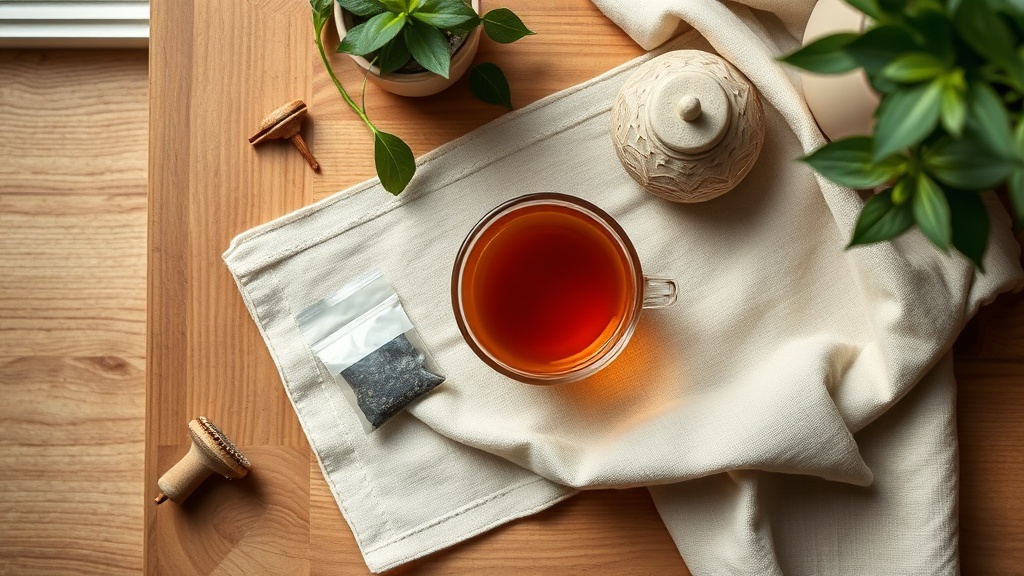
Is it safe to drink tea daily from tea bags sold at grocery stores?
No. Tea bag microplastics cause fatty liver and oxidative stress in animal studies.
What's actually in it
Modern tea bags are often nylon, PET, or polypropylene, shaped into pyramid sachets for premium marketing. Hot water (brewing temperature is ~90-100°C) breaks down the plastic and releases microplastic particles directly into the tea. A single pyramid tea bag has been shown to release billions of plastic particles in one brew.
Paper tea bags aren't always clean either: many are sealed with polypropylene or epichlorohydrin.
What the research says
A 2026 study in J Hazard Mater exposed embryonic zebrafish to teabag-derived microplastics and measured effects on liver health. The exposure caused hepatic steatosis (fatty liver) and oxidative stress at levels matching daily tea consumption. The effects were present at low, environmentally relevant doses.
Cleaner tea options: loose-leaf tea in a stainless steel infuser is the gold standard. A single metal ball or basket costs a few dollars and lasts forever. For bagged tea, look for chlorine-free, staple-free, unbleached paper bags from brands like Numi, Choice Organic Teas, or Traditional Medicinals. Avoid pyramid-shaped mesh bags entirely. Glass teapots with built-in strainers are another upgrade.
The research at a glance
| Study | Journal | Year |
|---|---|---|
| Teabag-derived microplastics pose steatosis and oxidative stress-mediated toxicity in embryonic zebrafish. | J Hazard Mater | 2026 |
What to use instead
Browse our vetted, non-toxic alternatives. Every product is third-party certified.
Shop Non-Toxic Kitchen