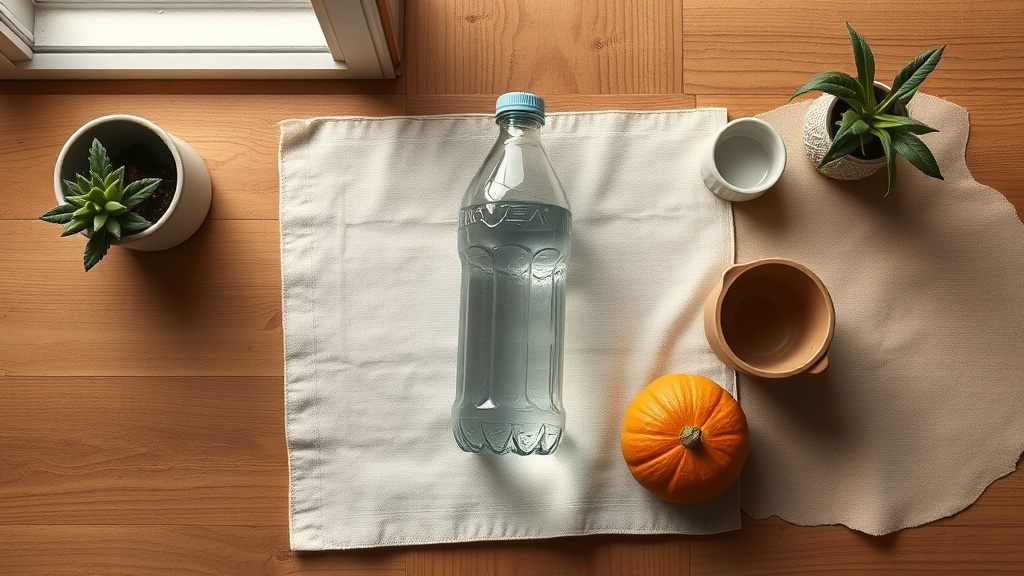
Is it safe to drink water from certified plastic bottles containing BPA?
No. BPA disrupts intestinal mitochondrial function at levels found in bottled water.
What's actually in it
Water bottles made of polycarbonate plastic (resin code 7) contain BPA. These aren't as common as PET bottles (#1) but still show up in large reusable water jugs, some baby bottles, and certain imported bottles. BPA leaches into the water continuously, with faster rates at higher temperatures.
When BPA enters the gut, it affects intestinal cells directly before being absorbed into the bloodstream.
What the research says
A 2026 study in Toxicology documented deleterious effects of BPA on mitochondrial function in human intestinal cells. BPA at concentrations comparable to bottled water exposures disrupted mitochondrial energy production in intestinal tissue. Long-term consequences include gut barrier dysfunction and systemic inflammation.
Check the recycling code on water bottles: avoid #7 polycarbonate entirely. #1 PET has its own issues but not the acute BPA problem; drink single-use and don't refill. For home water, stainless steel or glass bottles are the clean option. Large home water containers should be glass or stainless too; some water delivery services offer these.
The research at a glance
| Study | Journal | Year |
|---|---|---|
| Deleterious effects of plastic component bisphenol a on mitochondrial function in human intestinal cells. | Toxicology | 2026 |
What to use instead
Browse our vetted, non-toxic alternatives. Every product is third-party certified.
Shop Non-Toxic Kitchen