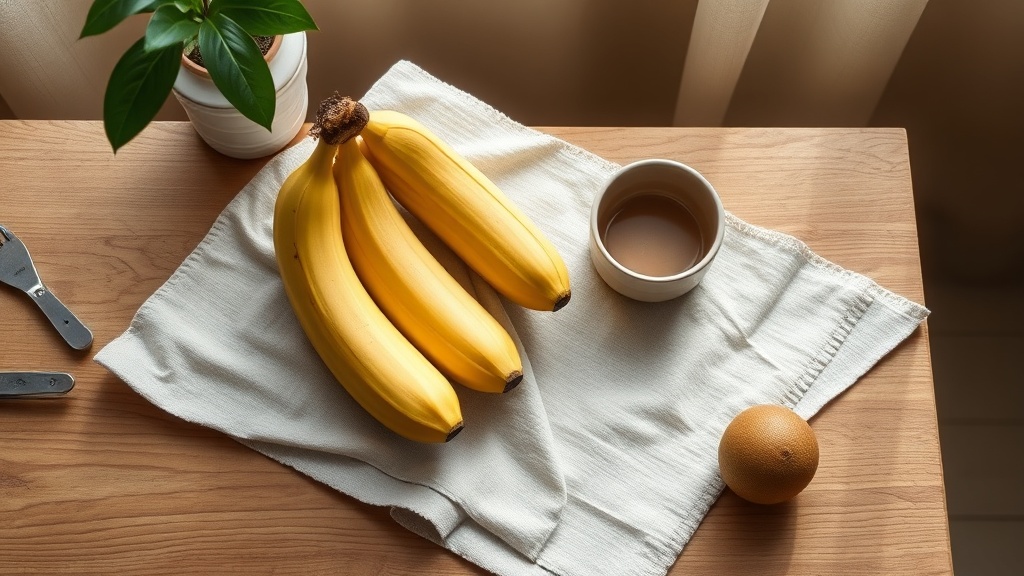
Is it safe to eat conventional bananas and kiwis if you wash them?
Mostly. Bananas are protected by peel, kiwis are middling. Fuzzy skins hold more residue.
What's actually in it
Bananas come with a thick inedible peel that protects the fruit inside from most pesticide residue. Kiwis have a thinner, edible-or-peelable skin that traps pesticides in the fine hairs. Typical sprays on both fruits include fungicides and insecticides applied during growth, plus potentially post-harvest treatments.
Washing bananas before peeling is still worth it because your hands touch the peel and then the fruit.
What the research says
A 2026 study in Regul Toxicol Pharmacol assessed pesticide residues in bananas and kiwifruits from Turkey and ran dietary risk assessment. Bananas tested low across the board: the peel effectively protects the flesh. Kiwis had higher surface residues, with some samples above recommended limits for regular eaters.
For bananas, eating them as-is is fine. Wash hands after peeling to remove residue transfer. For kiwis, peel completely rather than eating the skin (people who do eat the skin should soak in baking soda water first). Organic kiwis are worth the premium if they're affordable. As with most produce, eating a variety of fruits rather than the same one daily spreads out any single-fruit pesticide load.
The research at a glance
| Study | Journal | Year |
|---|---|---|
| Occurrence and dietary risk assessment of pesticide residues in bananas and kiwifruits from Turkey. | Regul Toxicol Pharmacol | 2026 |
What to use instead
Browse our vetted, non-toxic alternatives. Every product is third-party certified.
Shop Non-Toxic Kitchen