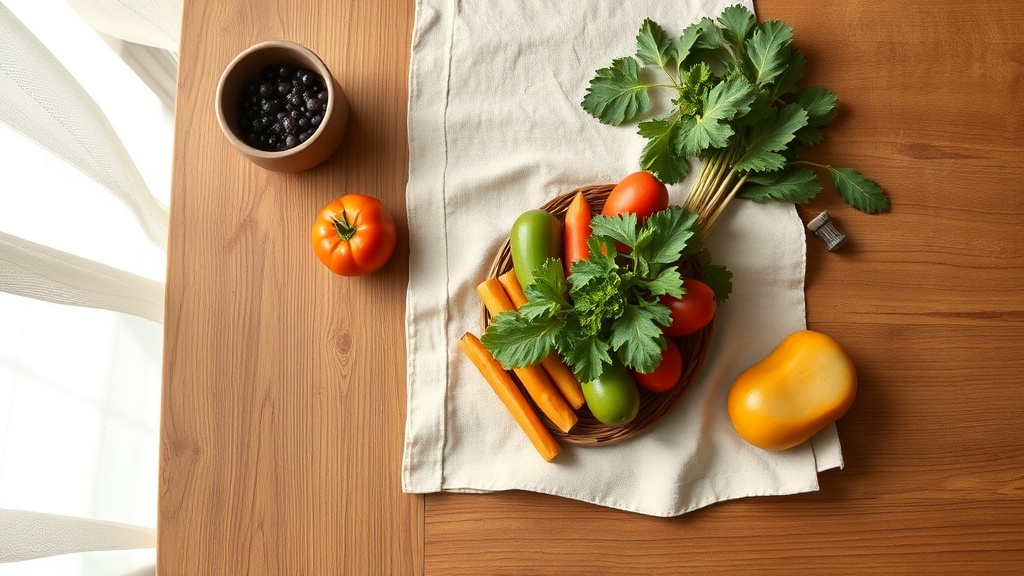
Is it safe to eat conventional fruits and vegetables if your cancer risk is elevated?
No. Choosing organic provides measurable cancer risk reduction in large cohort studies.
What's actually in it
Conventional produce carries residues of pesticides, fungicides, and herbicides. Each has safety limits, but cumulative exposure across years isn't fully captured by individual limits. For people at higher cancer risk (family history, prior cancers, known environmental exposures), organic produce reduces the pesticide cocktail intake.
Organic cost premiums have dropped in recent years, especially for frozen fruit and bulk vegetables.
What the research says
A 2026 study in Am J Clin Nutr examined consumption of organic versus conventional fruits and vegetables in relation to cancer risk in the NutriNet-Santé cohort. Higher organic consumption was associated with lower overall cancer risk. Specific cancers (breast, lymphoma) showed the strongest associations.
For people at elevated cancer risk, prioritizing organic on the Dirty Dozen items has the highest impact: strawberries, spinach, kale, grapes, apples, peaches, pears, cherries, blueberries. Frozen organic versions are budget-friendly. For cruciferous vegetables (broccoli, cauliflower, cabbage), conventional is generally OK (these are on the Clean Fifteen). Rotating produce and washing carefully reduces residue for non-organic choices.
The research at a glance
| Study | Journal | Year |
|---|---|---|
| Consumption of organic versus conventional fruits and vegetables in relation to cancer risk: findings from the NutriNet-Santé cohort. | Am J Clin Nutr | 2026 |
What to use instead
Browse our vetted, non-toxic alternatives. Every product is third-party certified.
Shop Non-Toxic Kitchen