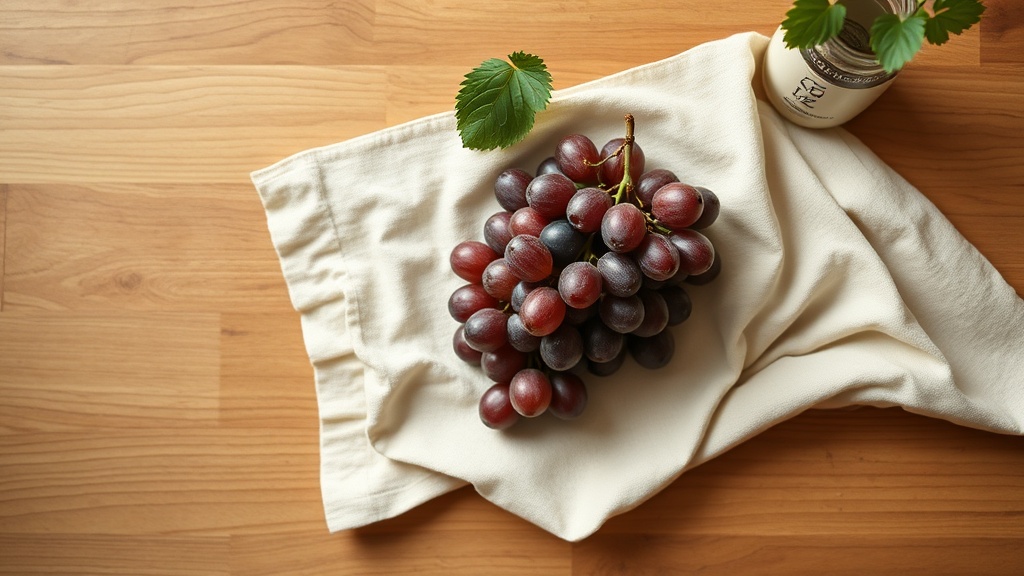
Is it safe to eat conventional grapes, apples, and berries without washing?
No. Wash first, and do not use soap.
Short answer
Do not eat conventional grapes, apples, or berries straight from the bag. Wash them first. Use running water. Do not use soap, detergent, or bleach.
What washing does
Washing helps remove dirt, germs, and some surface residue. It does not remove everything. Some pesticide residue can sit under the peel or inside tiny cracks in the skin.
What the research says
FDA guidance says to rinse produce under plain running water, gently rub it, scrub firm produce with a clean brush, and dry it after washing. FDA also says soap, detergent, and produce wash are not recommended because produce is porous.
A 2017 Journal of Agricultural and Food Chemistry apple study found that a sodium bicarbonate wash removed surface residues of thiabendazole and phosmet better than tap water or bleach. The same study found that some pesticide had already moved into the apple peel and could not be fully washed away.
A 2026 Reviews on Environmental Health review found that several triazole fungicides caused DNA damage and oxidative stress in mammalian in vivo studies. That supports taking residue controls seriously. It does not measure the fruit in your cart.
What to do
Rinse grapes and berries gently under running water right before eating. For apples, rinse under running water, rub the skin, and use a baking soda soak when you want a deeper wash. Use a clean bowl, not the grocery bag, when washing and serving fruit.
The research at a glance
| Study | Journal | Year |
|---|---|---|
| 7 Tips for Cleaning Fruits, Vegetables | FDA Consumer Updates | 2026 |
| Effectiveness of Commercial and Homemade Washing Agents in Removing Pesticide Residues on and in Apples. | J Agric Food Chem | 2017 |
| Triazole fungicides induce genotoxicity via oxidative stress in mammals in vivo: a comprehensive review. | Rev Environ Health | 2026 |
What to use instead
Shop kitchen bowls for rinsing, serving, and storing washed produce.
Shop Non-Toxic Kitchen