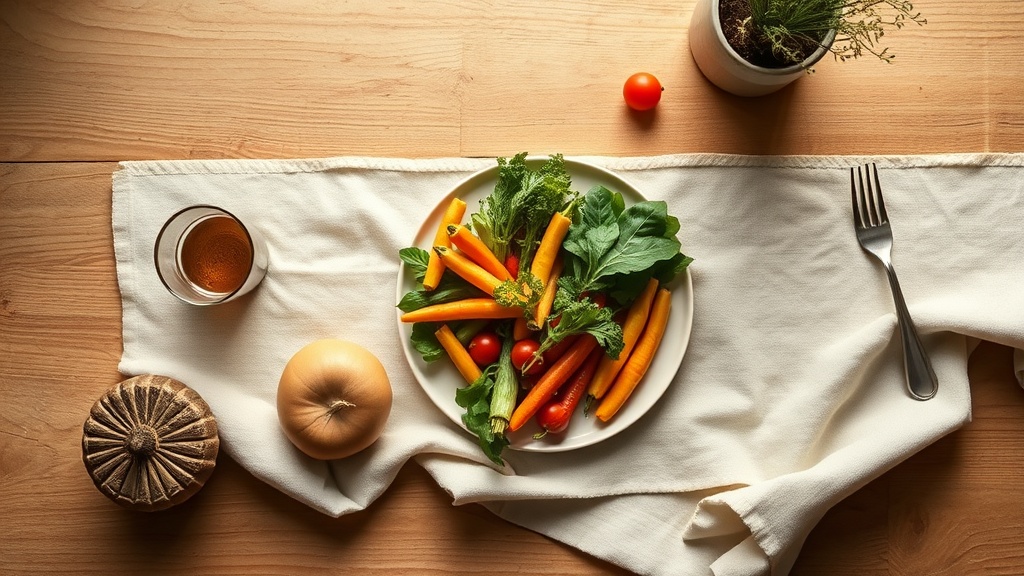
Is it safe to eat fiber-rich meals right after using conventional produce with high pesticides?
Fiber actually helps. Dietary fiber reduces pesticide absorption from food.
What's actually in it
When you eat pesticide-contaminated fruit or vegetable, the pesticide has to travel through the gut to reach the bloodstream. That journey can be interfered with. Dietary fiber (soluble, insoluble, and fermentable types) binds pesticide residues and reduces their bioaccessibility. Eating fibrous foods together with potentially contaminated produce reduces how much actually enters the body.
This doesn't mean you can eat unlimited sprayed produce with impunity. It means the overall meal structure matters.
What the research says
A 2026 study in Food Chem X looked at the influence of dietary fiber type and concentration on pesticide residue bioaccessibility in natural products consumed with emulsifier-based systems. Higher fiber intake during the same meal reduced the fraction of pesticide that was absorbed. Fermentable fibers (oats, beans, berries) and insoluble fibers (whole grains, leafy vegetables) both helped.
For a practical weekly routine, pair conventional produce with whole grains, beans, and a wide mix of vegetables at the same meal. A hummus and raw vegetable platter structures the fiber with the pesticide-exposed vegetable, cutting absorption. A smoothie with added ground flax or chia does similar work. The organic-vs-conventional debate doesn't have to be absolute: eat organic where it matters most (Dirty Dozen) and structure meals with fiber.
The research at a glance
What to use instead
Browse our vetted, non-toxic alternatives. Every product is third-party certified.
Shop Non-Toxic Kitchen