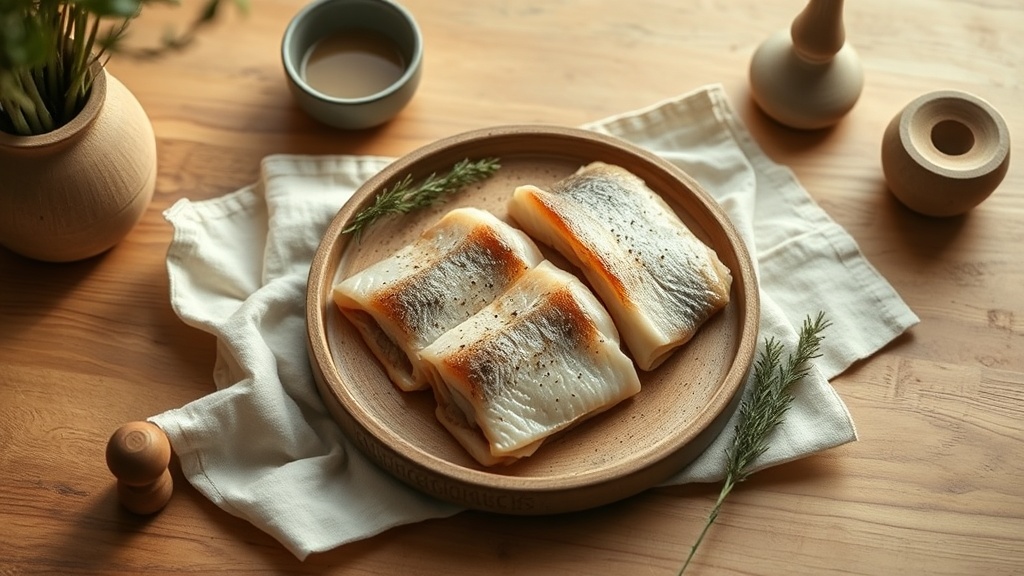
Is it safe to eat fish fillets from a freshwater lake heavily affected by PLA bioplastic shoreline?
No. Bioplastic PLA microplastics show up in reproductive toxicity studies on male fertility.
What's actually in it
"Compostable" PLA cups, bowls, and utensils litter many outdoor event sites and end up in waterways. In industrial composting conditions they break down. In cold freshwater lakes they break into PLA microplastics and stay there for years. Fish living in these waters accumulate PLA particles in tissue. The particles aren't recognized as "real plastic" by most water quality monitoring.
The "bioplastic is safe" marketing doesn't match the toxicity data on reproductive and developmental endpoints.
What the research says
A 2026 study in Environ Pollut exposed animals to polylactic acid microplastics and documented male reproductive toxicity with decreased testosterone levels through accelerated Leydig cell aging. The effects occurred at environmentally relevant levels that would be reached through contaminated fish consumption.
For regular freshwater fish eaters, check state advisories for specific bodies of water, especially ones near festivals and events using PLA products. For general low-microplastic fish options, sardines, mackerel, and anchovies from ocean sources are cleaner than most freshwater fish. Alaska-harvested salmon is a middle option. Whatever fish you choose, trim skin and visible fat to reduce concentrated contaminants.
The research at a glance
What to use instead
Browse our vetted, non-toxic alternatives. Every product is third-party certified.
Shop Non-Toxic Kitchen