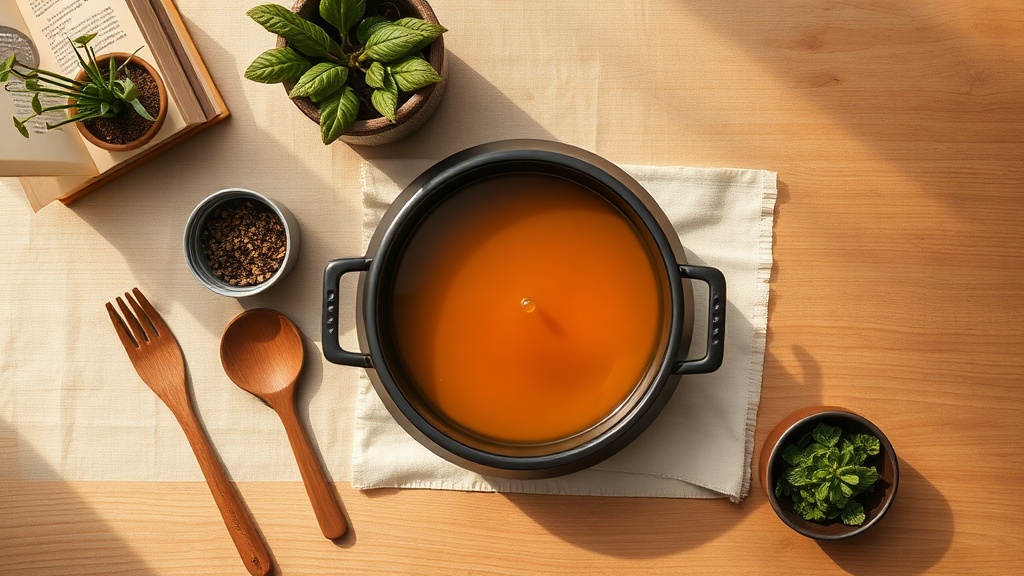
Is it safe to eat hot pot cooked in the standard plastic broth base?
Use caution. Current tested levels were within modeled limits, but hot, oily foods are a reason to limit plastic contact.
Short answer
Do not panic over one hot pot meal. But for a food that is hot, oily, and simmered, it is smart to reduce plastic contact where you can.
What can add exposure
Many hot pot bases are oily pastes packed in plastic. Phthalates such as DBP and DEHP can contaminate fatty foods from packaging or processing. Heat, fat, and time make plastic contact more important.
What the research says
A 2026 Toxics study tested 91 hot pot base samples for DBP and DEHP. The modeled hazard quotients stayed below 1, which means the modeled risk was within the study safety threshold. Children aged 7 to 13 had the highest calculated risk, and the authors called for better monitoring of high-end exposure cases.
What to do
Use packaged broth base less often. When you can, make broth from stock, ginger, scallion, dried chili, garlic, and spices. Cook hot pot in stainless steel, cast iron, or ceramic cookware. Serve hot foods in porcelain or ceramic bowls instead of plastic bowls.
The research at a glance
What to use instead
Shop porcelain bowls for hot meals without plastic food contact.
Shop Non-Toxic Kitchen